
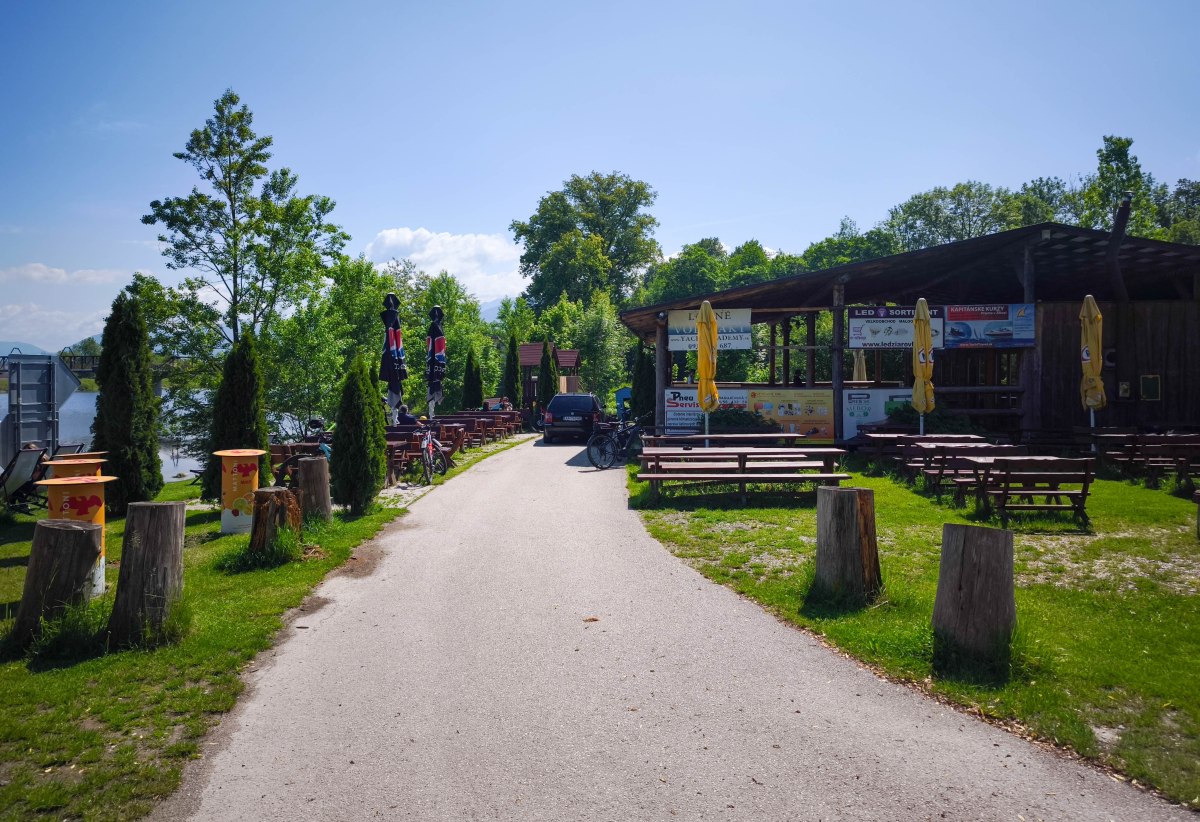
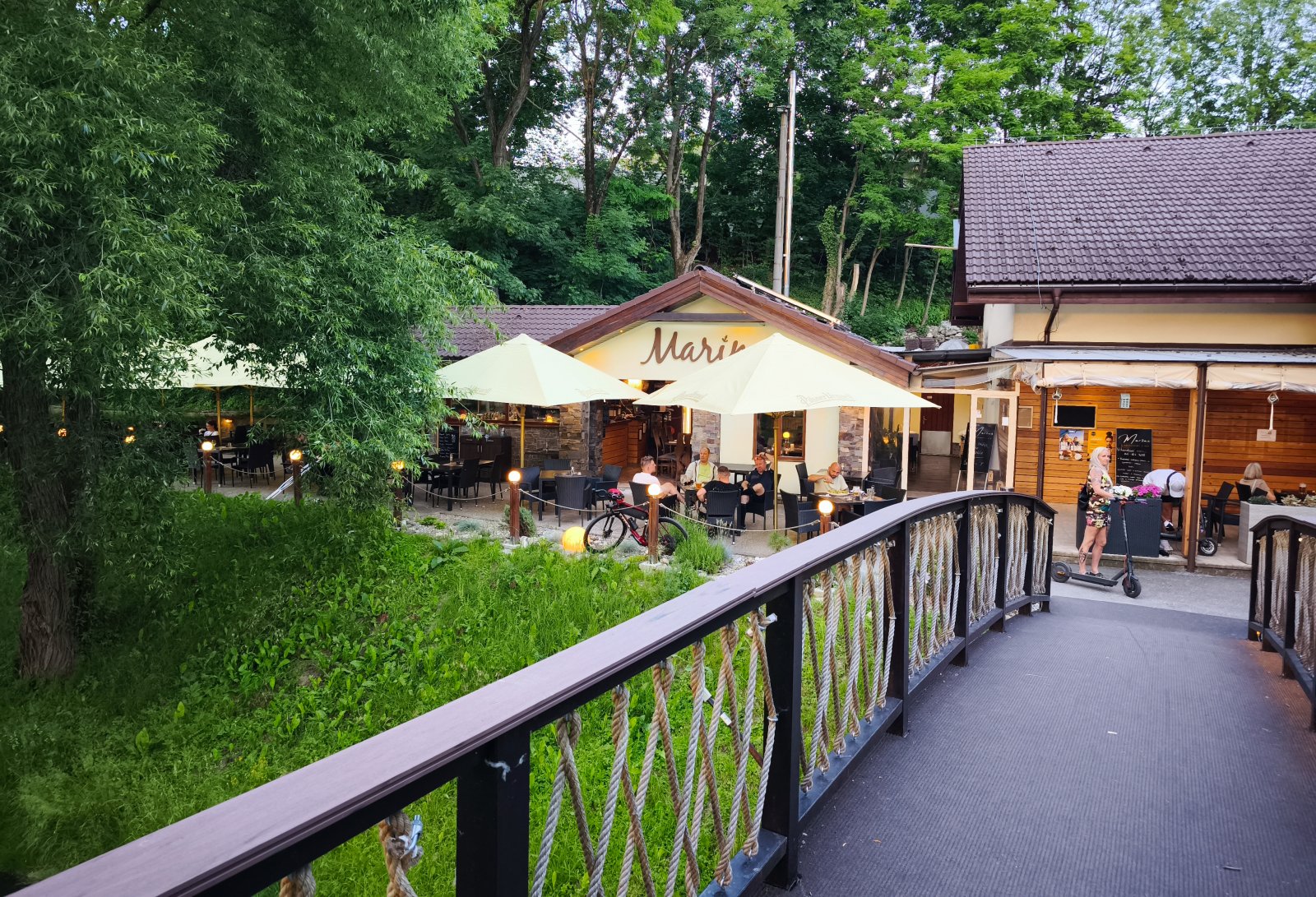
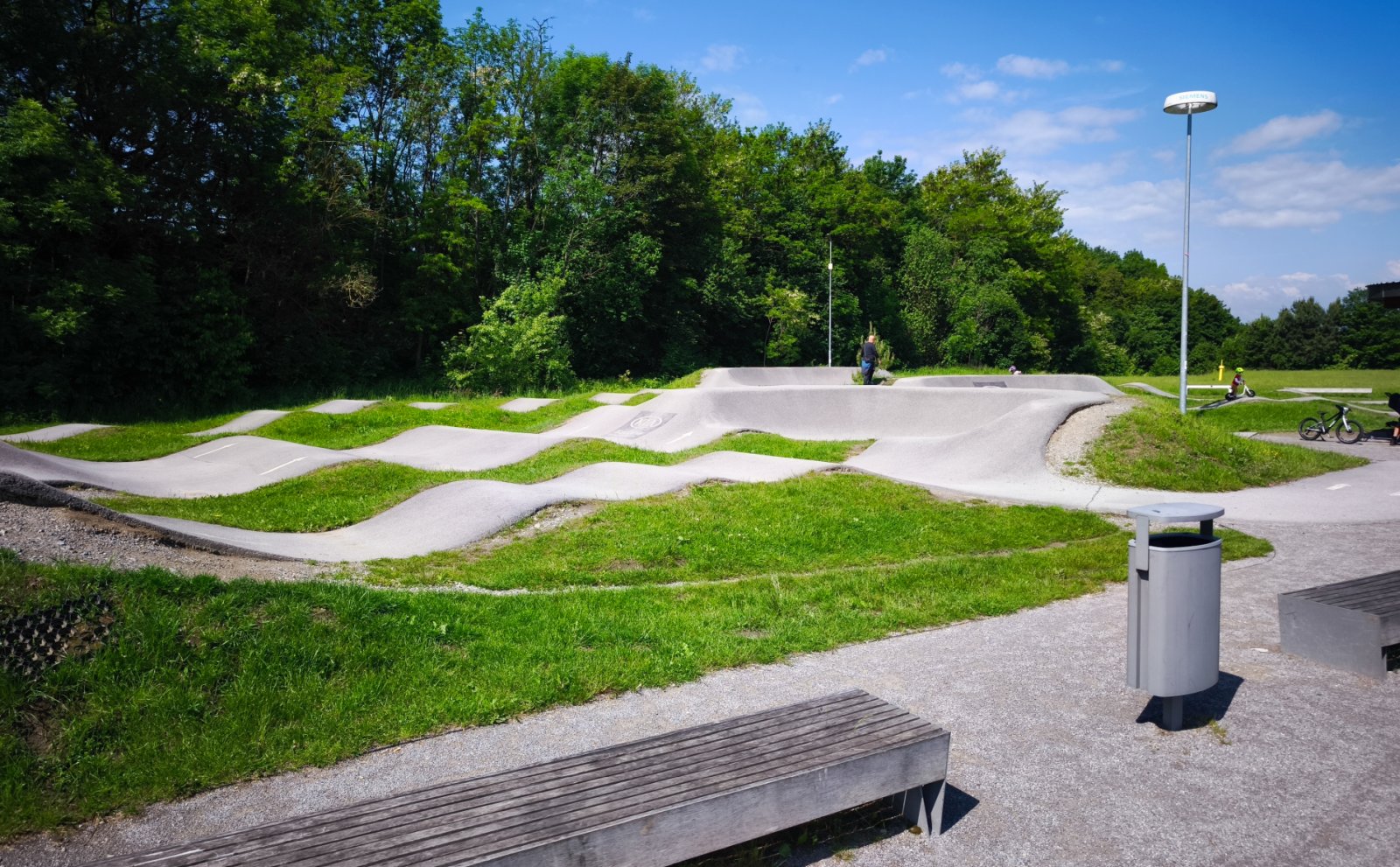
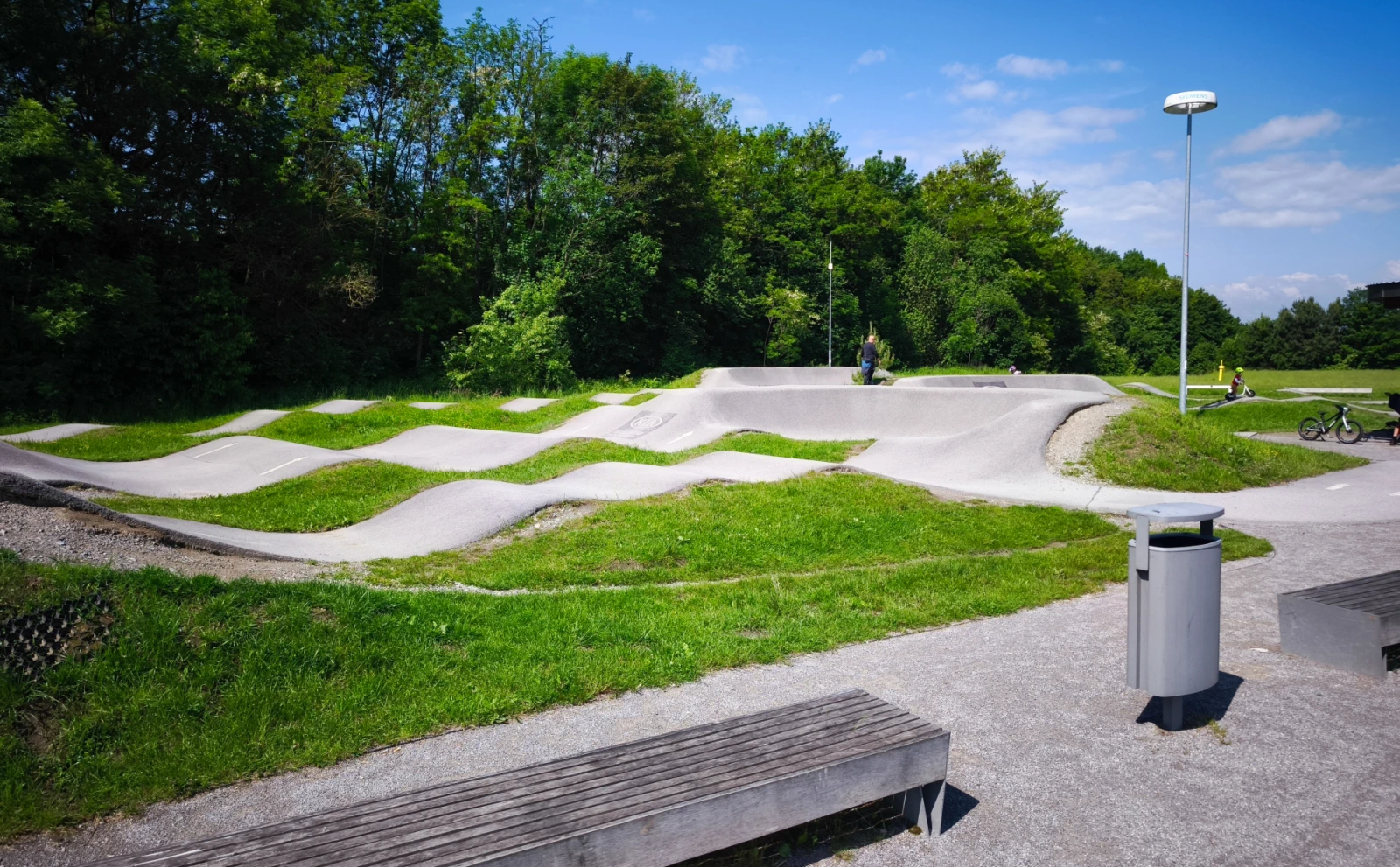
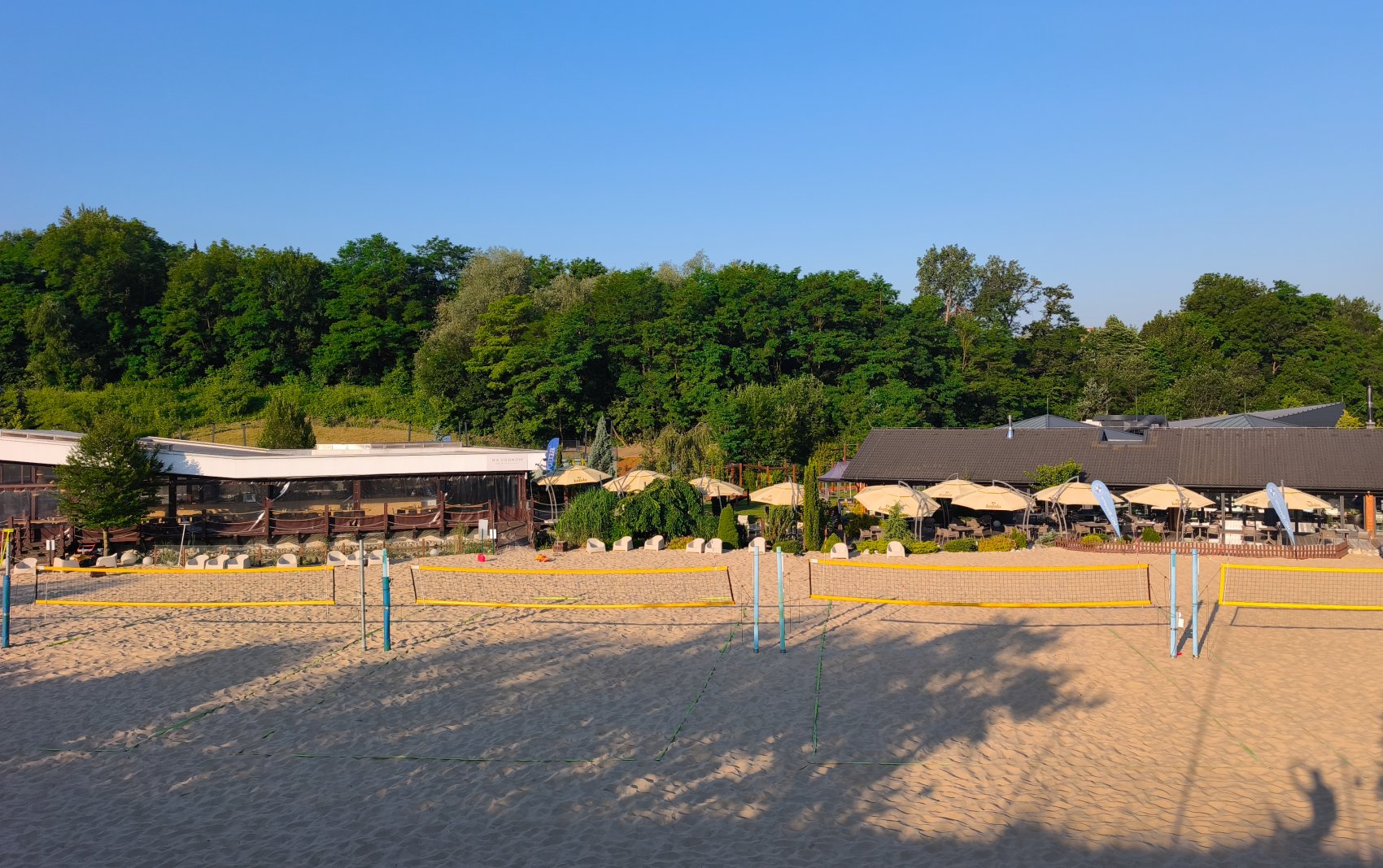
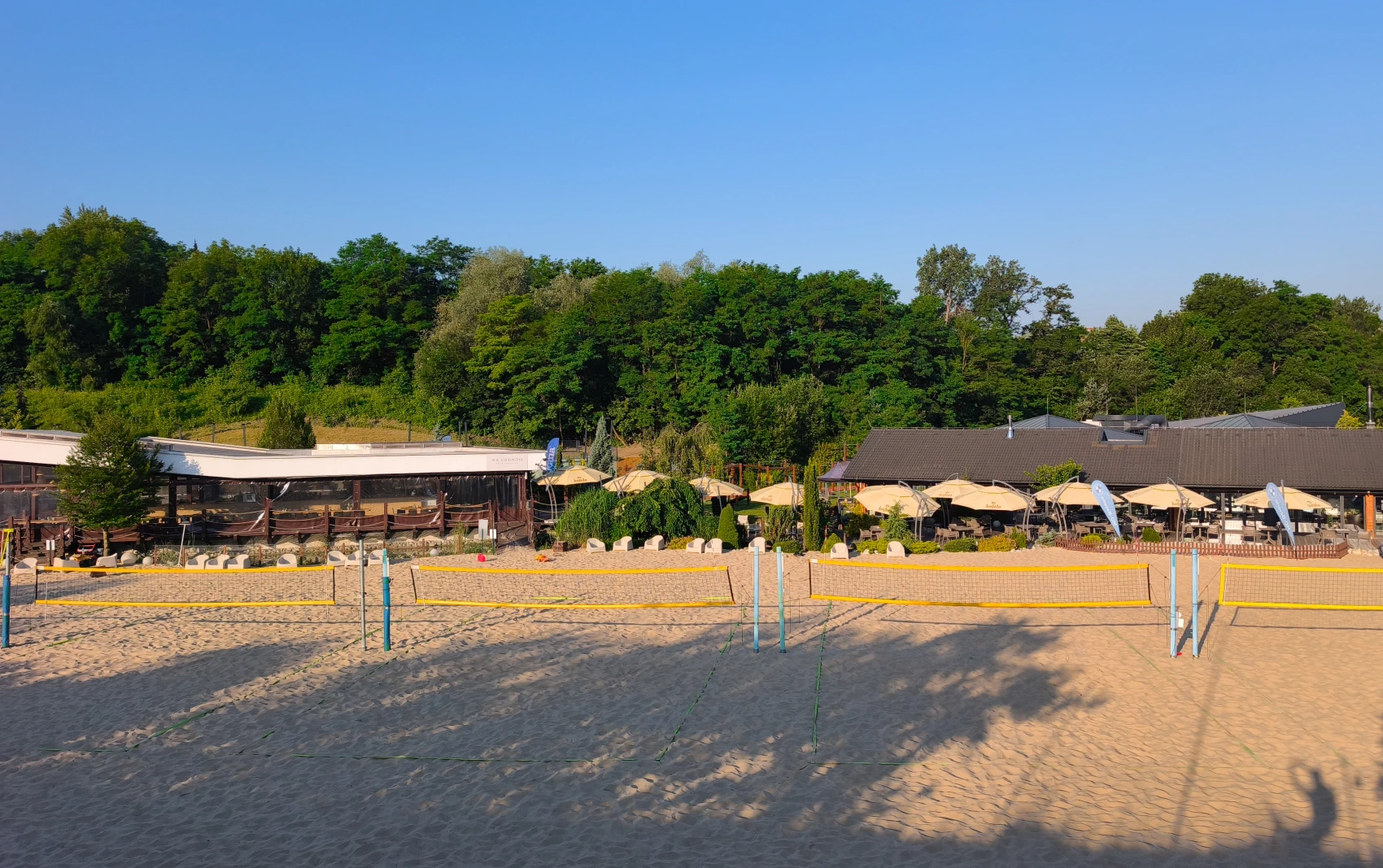
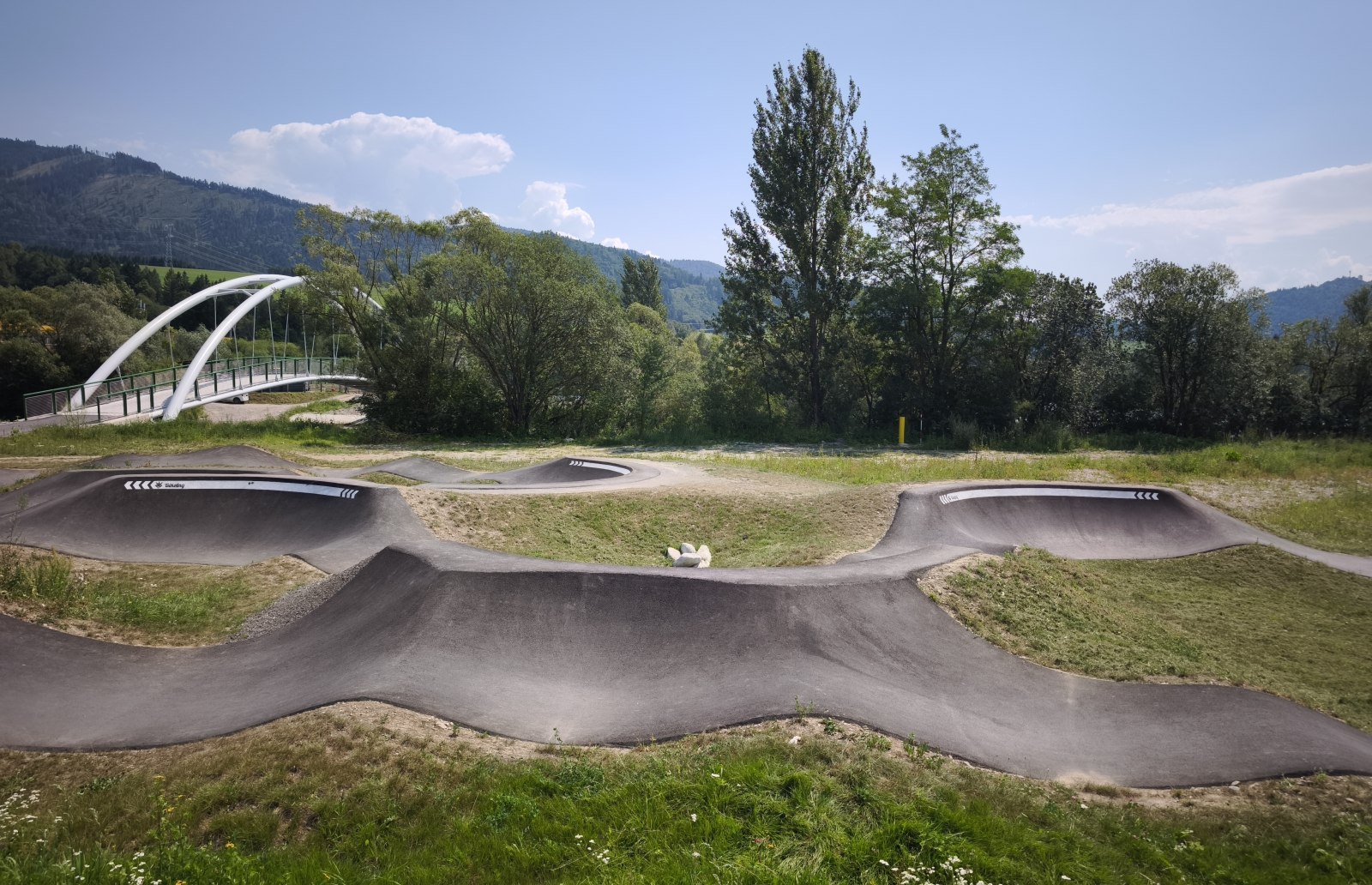
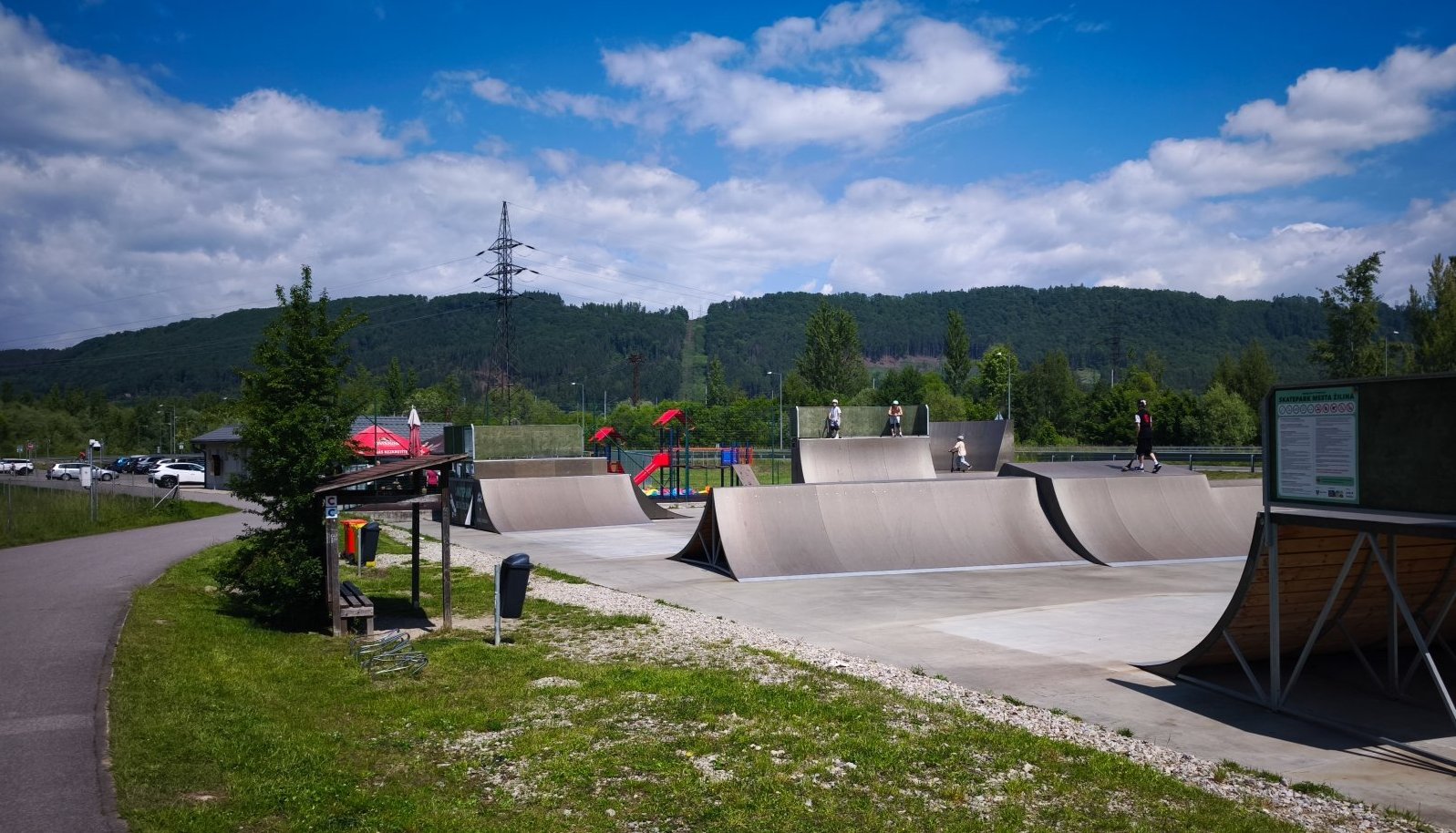
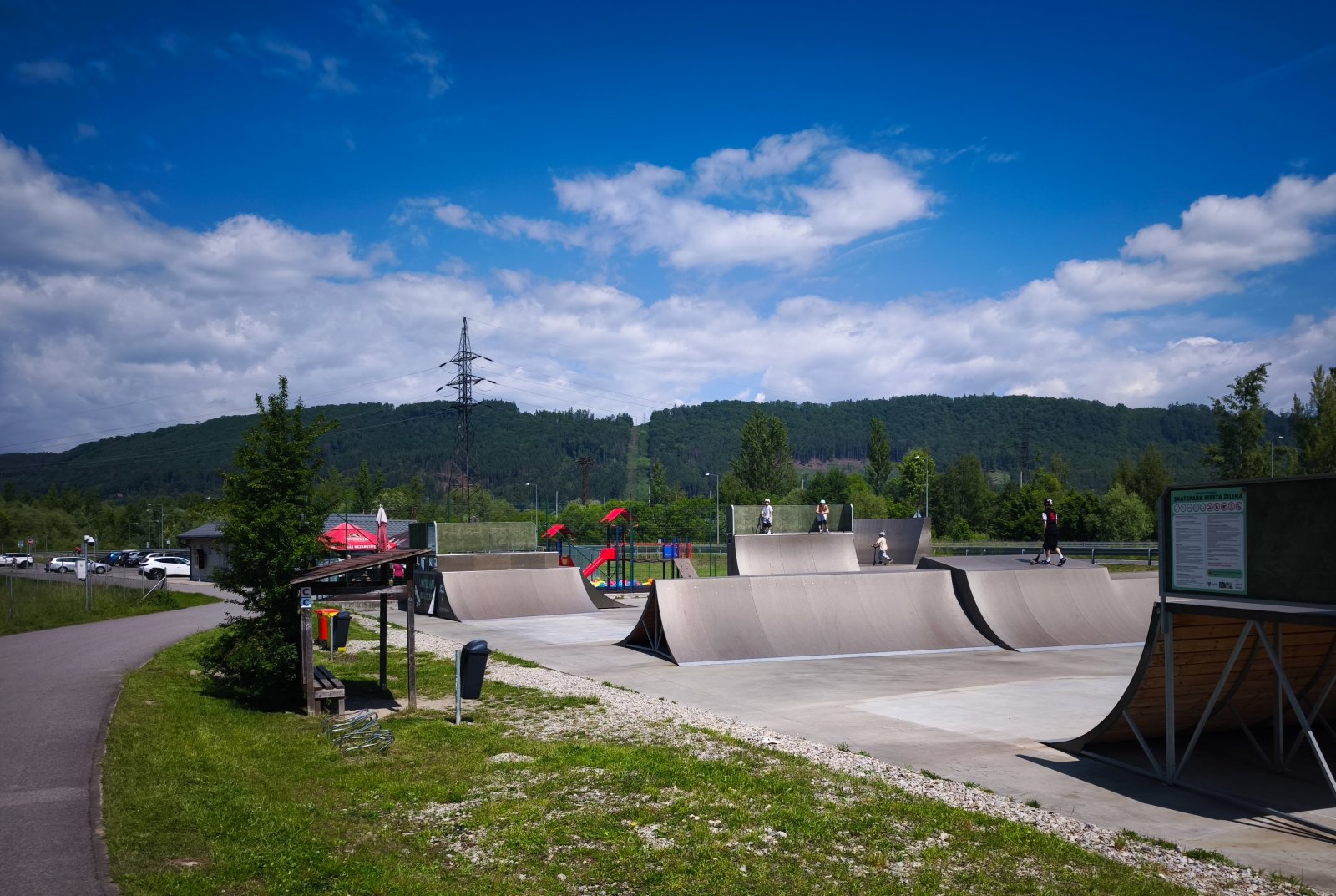
The skatepark area near the Žilina Water Works serves enthusiasts of various sports activities such as skateboarding and inline skating. The purpose of this space is not only safe training of physical fitness or acquiring new skills, but also the opportunity to meet, exchange mutual experiences among sports enthusiasts or talented youth.
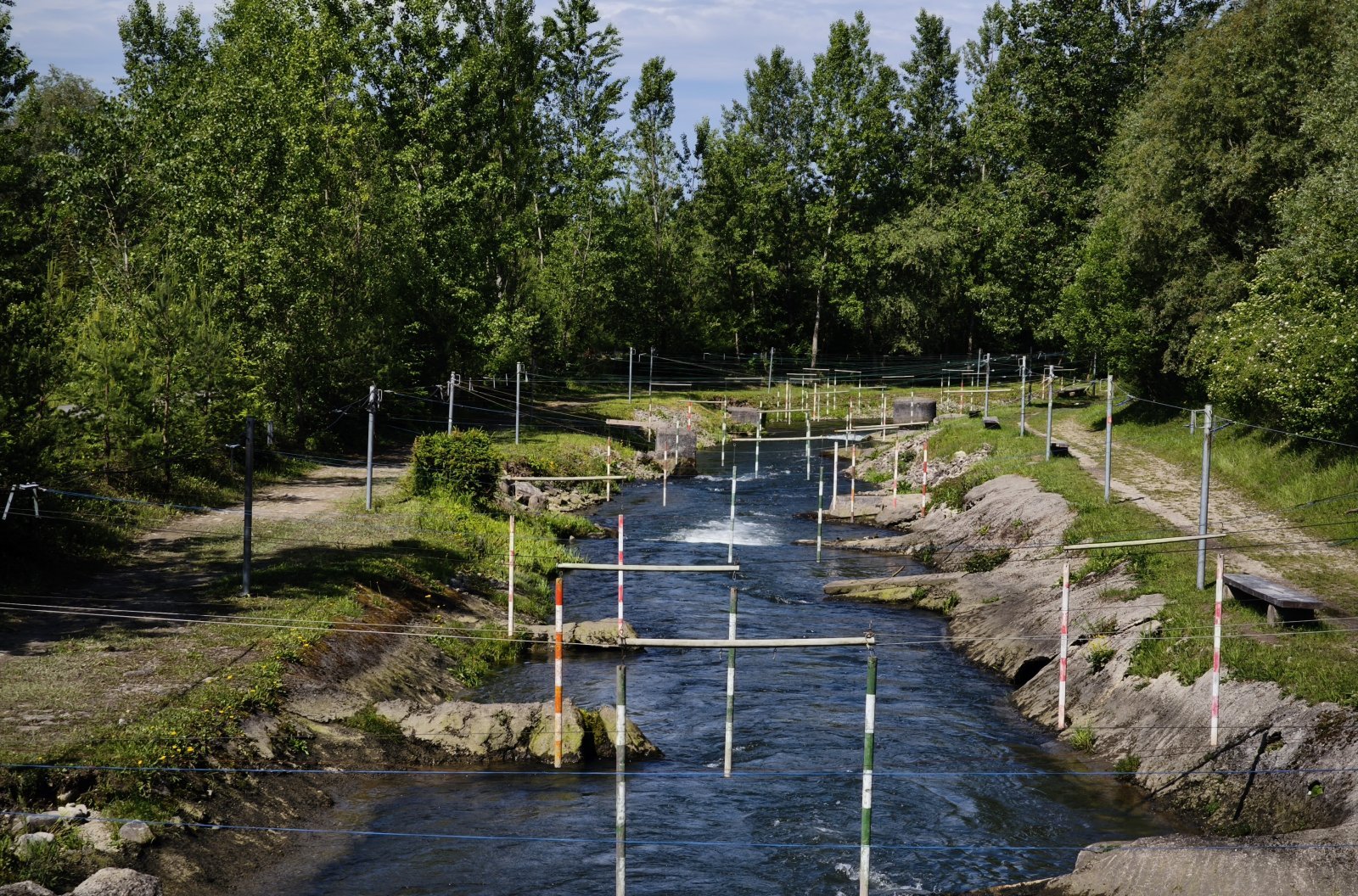
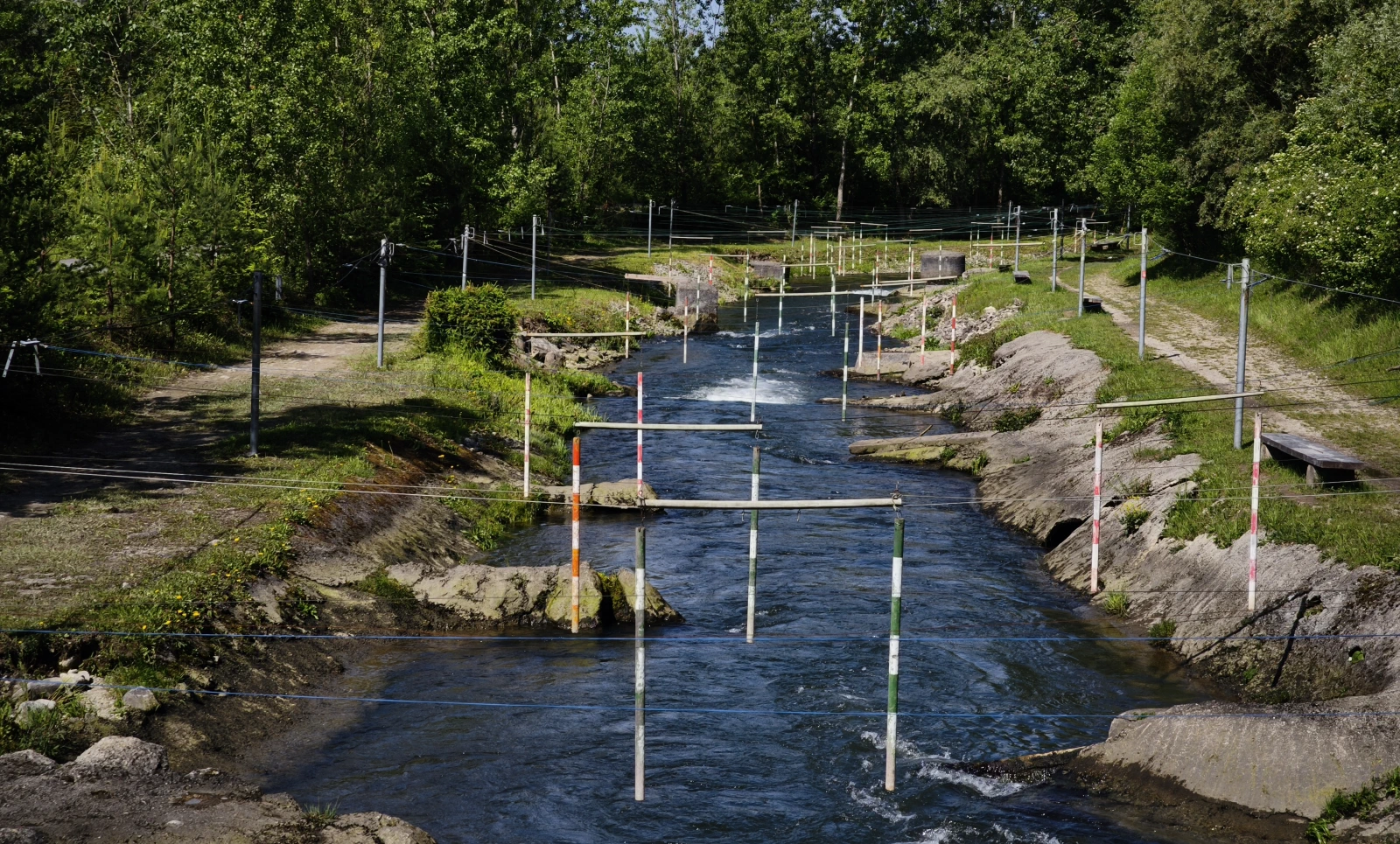
Biocorridor at the Žilina Water Works: A bridge between technology and nature
The Žilina waterworks, built on our longest river Váh, is an important technical structure serving for the production of electricity and flood protection. However, every large dam represents a huge intervention and an insurmountable barrier for nature – and especially for aquatic animals. To mitigate this negative impact, a biocorridor was built at the waterworks. Its main function is the migration of aquatic animals; it was built on the right side of the Váh during the construction of the Žilina waterworks, more than twenty years ago. To this day, it ranks among the most remarkable water structures in Slovakia. The biocorridor primarily ensures biological communication between the sections of the Váh above and below the Žilina waterworks. It creates conditions for the life and migration of aquatic animals.
What is a biocorridor and how does it work?
The biocorridor near the Žilina water reservoir (also functionally serving as a fishway) is essentially an ecological bypass of the dam. It is an artificially created water channel approximately 1.7 kilometers long that bridges the elevation difference and connects the river section below the dam with the reservoir above it.
Its design was designed to most faithfully simulate a natural stream. The channel is not uniform, but is shaped into meanders, alternating deeper pools (where fish can rest) with shallows and a faster water flow. The bottom is covered with stones and gravel, thus imitating the bottom of the natural Váh river. The biocorridor is approximately 9 kilometers long.
Why is it crucial for the surrounding nature?
The construction of this artificial stream had several fundamental ecological benefits:
-
Protection of fish migration: River fish, such as trout, grayling, or protected huchen, need to migrate upstream for their life cycle and reproduction (spawning). The biocorridor allows them to safely bypass the dam.
-
Creation of new habitats: The banks of the biocorridor were planted with greenery. Today, this area is densely overgrown and provides refuge for amphibians, waterfowl, insects, and small mammals.
-
Restoration of biodiversity: By connecting two separated parts of the river, genetic isolation of aquatic animals was prevented, contributing to the overall health of the Váh ecosystem.
In the spring period, it is also possible to observe with the naked eye in its channel the migratory movements of rheophilic (current-loving) species, such as nase, barbel, and nose carp or chub.
Over a period of twenty years, several interesting fish species have also found a home in the biocorridor, such as the brown trout, grayling, European eel, and among the smaller species, for example, the European bleak or the northern stone loach. "The Slovak Angling Association carries out regular monitoring of this fishing ground, which is registered with the Ministry of the Environment as a protected fishing area, and over this monitored period, it has recorded almost 30 different fish species in this habitat.
The biocorridor near the Žilina Water Works is today an excellent example of a compromise between technical progress and nature protection. Over the years of its existence, this structure has successfully blended with the surrounding landscape. When walking or cycling around the Žilina Water Works area, this bypass appears as a completely natural piece of wild nature, proving that modern engineering can – and should – work in harmony with ecology.