
What awaits you in Lúčky and its surroundings?
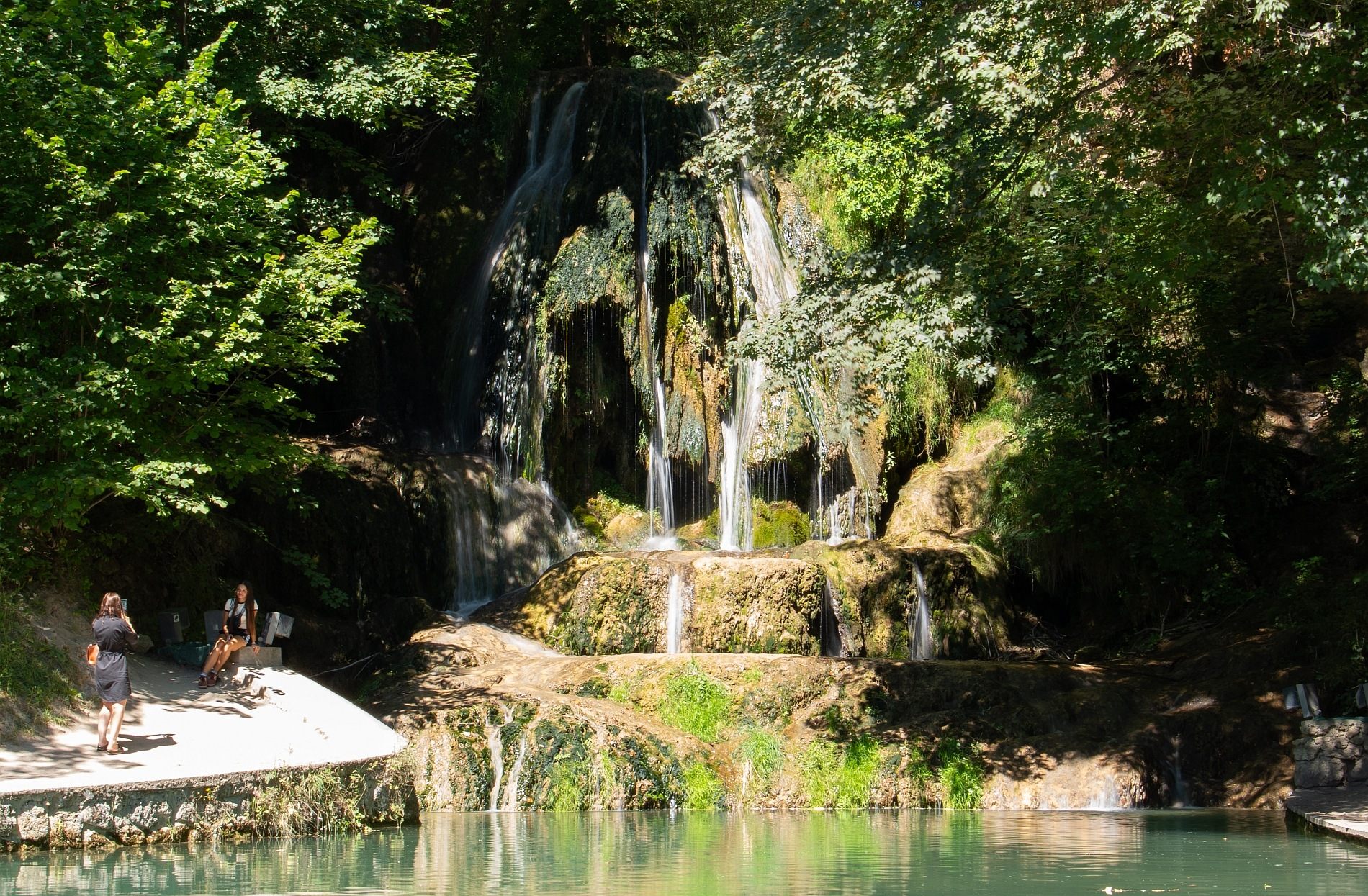
- Relax in mineral water: The local Kúpele Lúčky spa is famous for its gypsum-sulphur water from the Valentín spring. Not only are women's and musculoskeletal problems treated here, but recreational visitors will also find something for themselves in the modern AQUA-VITAL Park (open year-round) with outdoor pools.
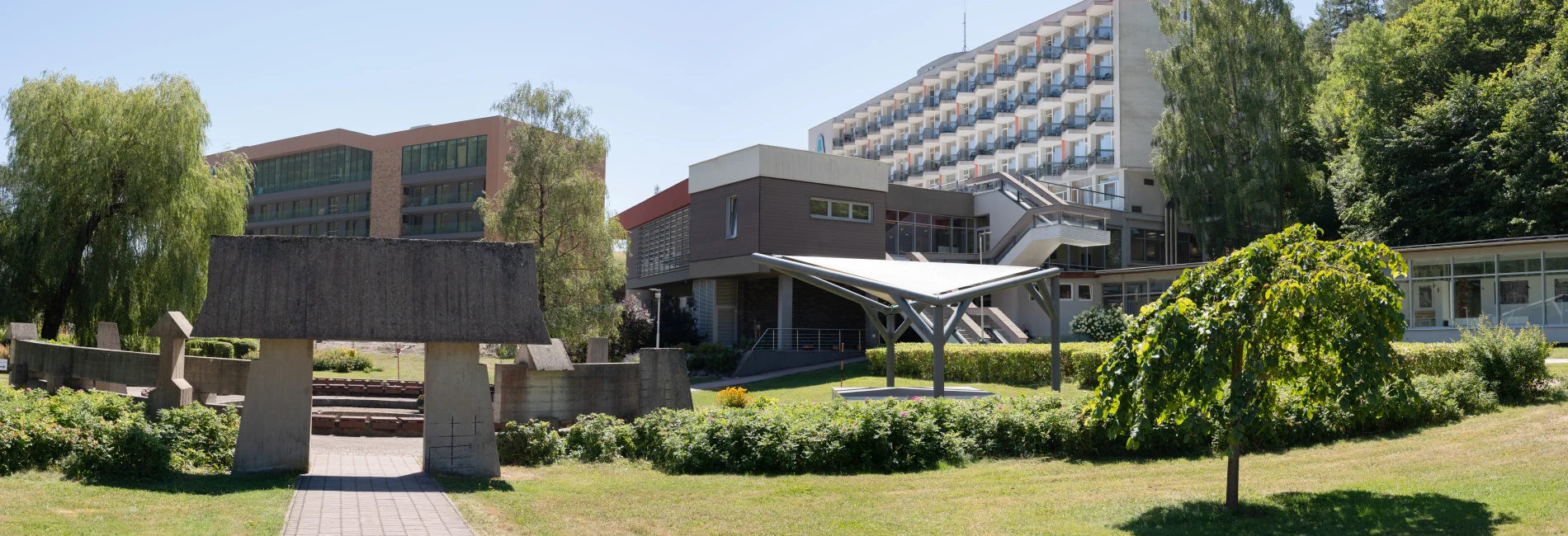
- A waterfall right in the village: Few villages in Slovakia can boast a 12-metre travertine waterfall right in their centre. The Lúčanský vodopád national natural monument falls into a turquoise lake, where free swimming is even permitted during hot summer days!
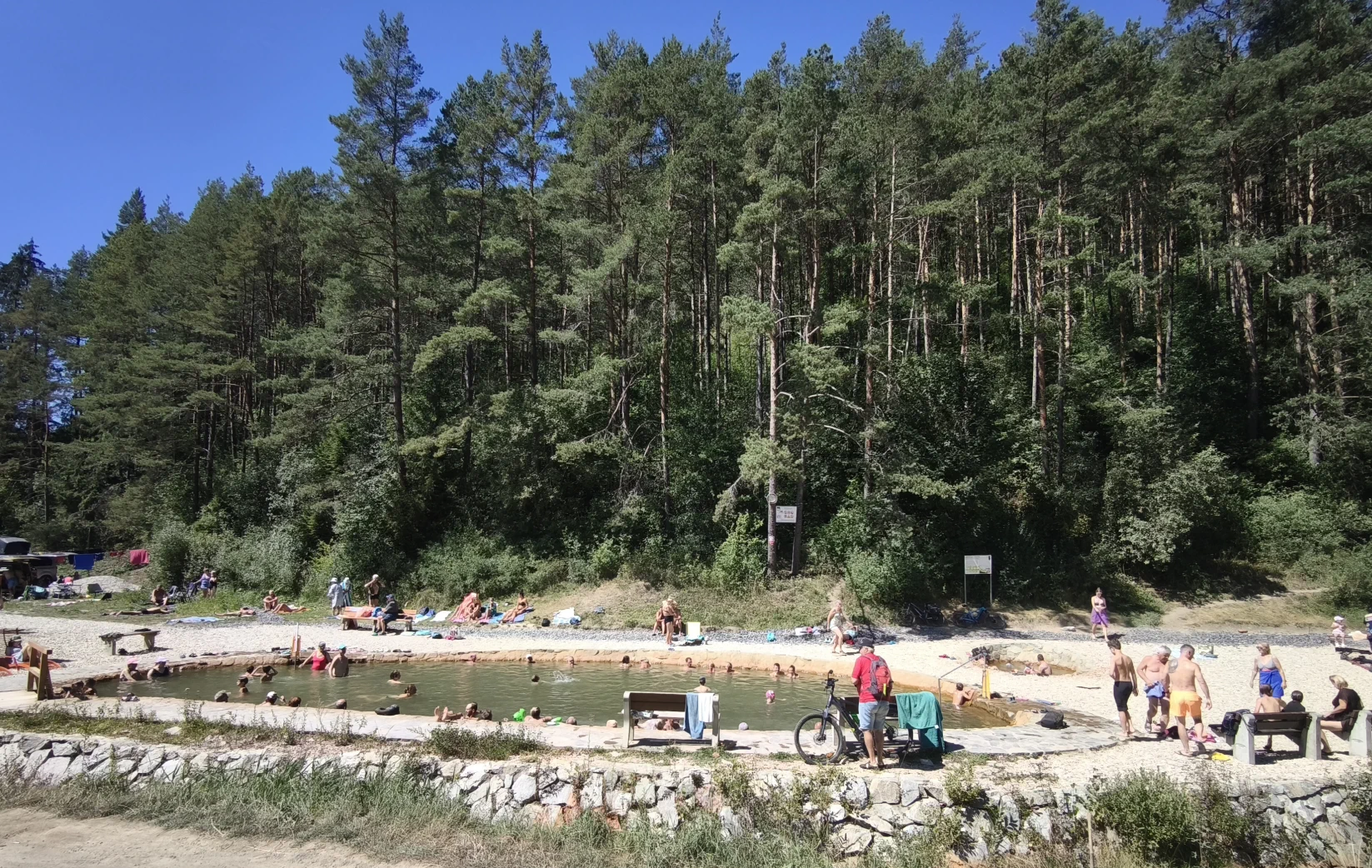
- Wild thermal springs in nature: A short distance from Lúčky, in the neighboring village of Kalameny, another treasure springs forth. The natural thermal spring Kalameny (also called Medokýš) creates a small free pool in which the water has a pleasant 33 °C – ideal also for an evening or winter swim under the stars.
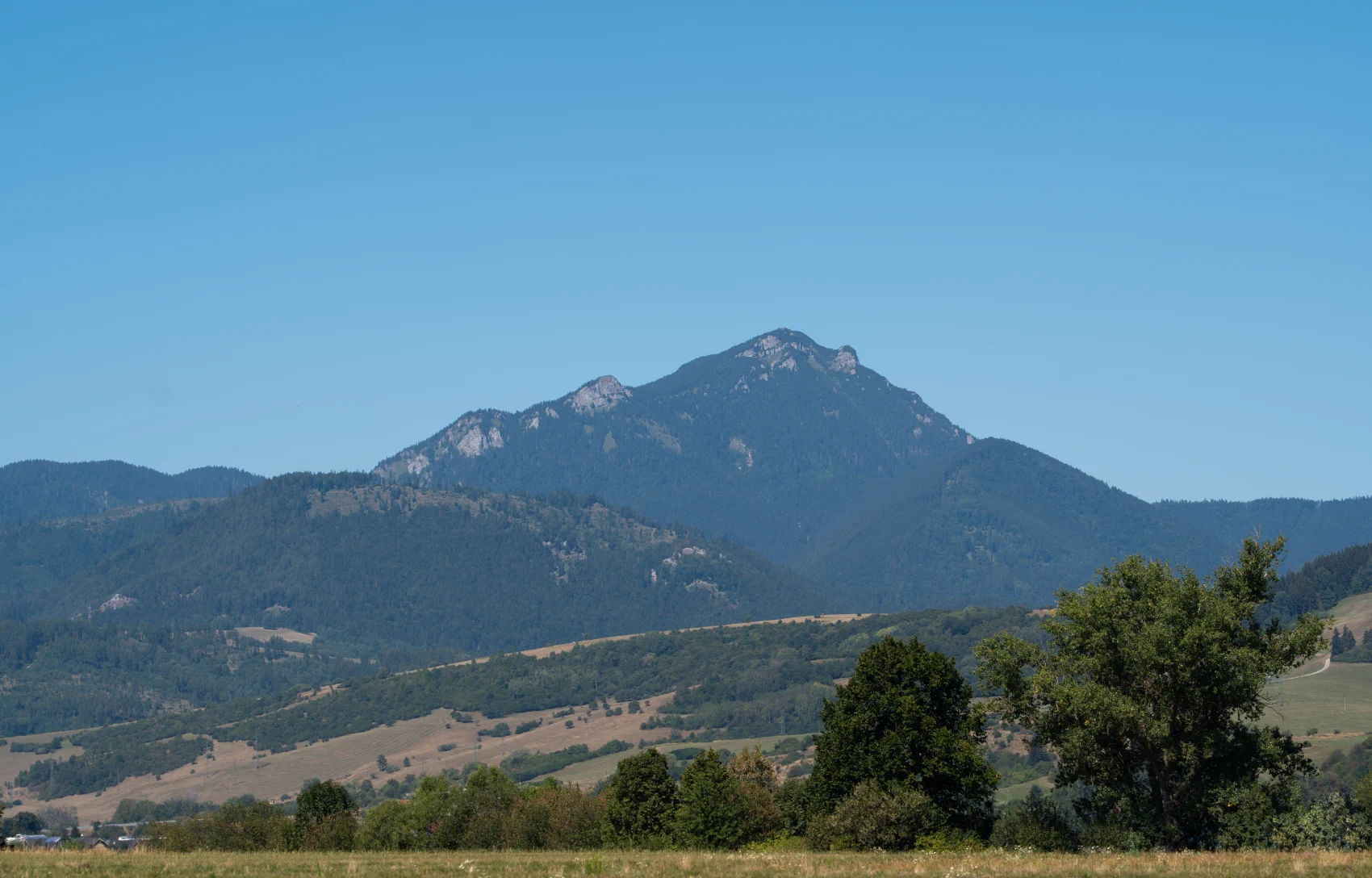
- Hiking in the Choč Mountains: For the more active, the surroundings are an ideal starting point. From Lúčky and Kalameny, hiking trails lead directly to the majestic Veľký Choč (1,611 m above sea level) or to the ruins of the highest-situated castle in our country – Liptovský Castle.
Lúčanské travertíny: A living geological laboratory in the heart of Liptov
The process of their formation is fascinating:
-
The age of the Lúčanské travertines is estimated at 200 to 140 thousand years, which falls into the previous interglacial period.
-
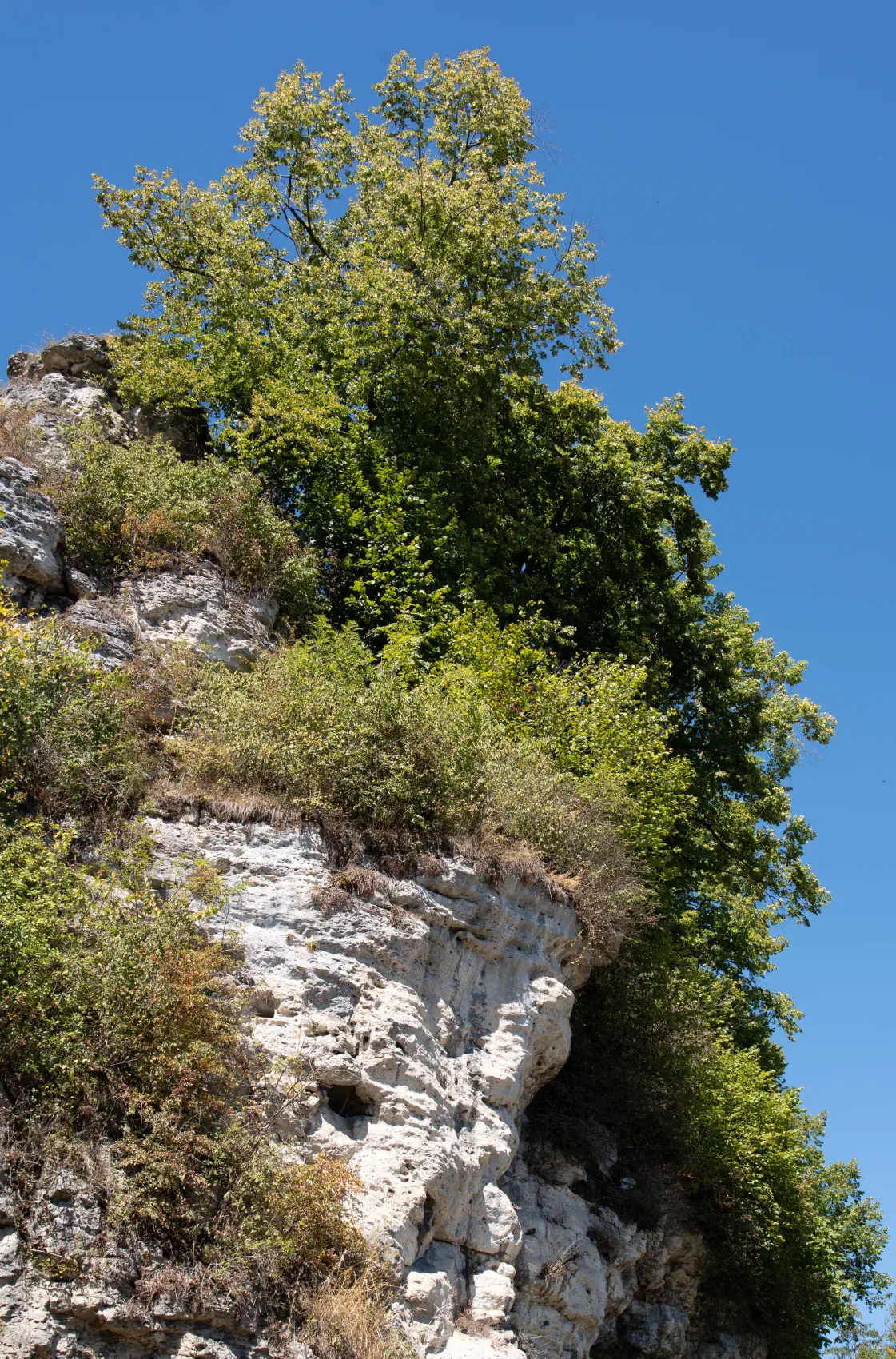
Dimensions and formations in Lúčky: In Lúčky, these formations reach a massive thickness of 40 to 50 metres and were formed from thermal calcium-sulphate springs with a temperature of 17 °C to 33 °C.
-
Conditions and process of formation: The existence of an important fault line along which thermal springs emerge was crucial for the formation of travertines in Lúčky. The process begins with surface rainwater seeping through permeable rocks, such as limestones and dolomites, to a depth of several kilometres. At this depth, the water heats up and becomes enriched with minerals from the surrounding rocks, and subsequently, under hydrostatic pressure, it returns to the surface through the fault lines.
-
Crystallization and fossilized imprints: When mineral water emerges at the Earth's surface, its temperature and pressure change, and gases escape from it, especially carbon dioxide (CO2). These changes, together with the influence of the plants and animals present, cause the process of calcium carbonate crystallization from the springing waters. Organisms die during this process, but they leave behind cavities and imprints in the rock that are especially characteristic of the Lúčany travertine.
How to get there?
Access is trouble-free and Lúčky is a great destination for day trips:
- By car: Lúčky is only a few minutes' drive (about 15 km) from the town of Ružomberok, roughly 10 minutes from the main D1 highway (exit near Ivachnová). There are parking areas in the village and directly by the waterfall.
- By bus: From the train and bus station in Ružomberok (or from Liptovská Teplá), regular suburban lines run directly to the centre of the village and to the spa.
- On foot / by bicycle: The villages in Liptov are well connected by low-traffic asphalt roads and forest paths. A walk from Lúčky to the Kalamen spring takes about 30 minutes at a comfortable pace.
Map of the surroundings:
Photo gallery:


 who hung a "camera" around my neck in my childhood and showed me what to do and how...
There are no comments yet. Be the first!