
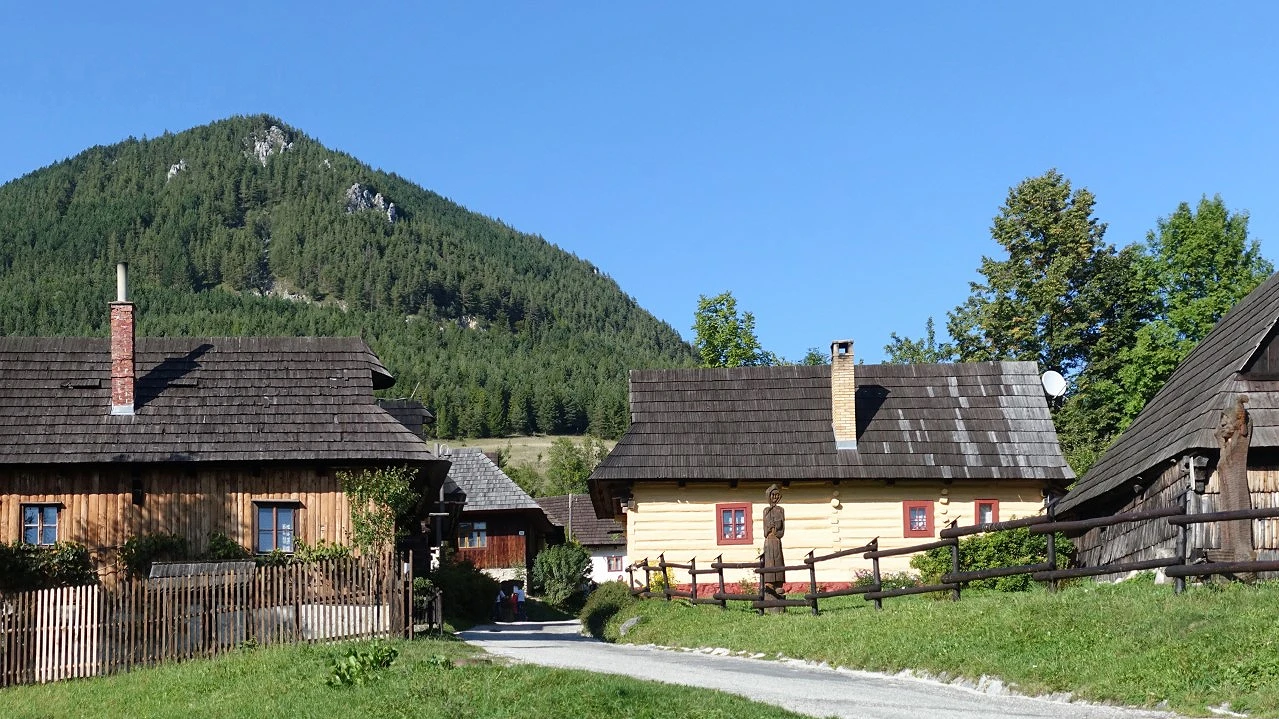
Vlkolínec is a wooden settlement – a reserve of folk architecture of the Slovak Republic inscribed on the UNESCO World Cultural and Natural Heritage List. It is an example of a medieval settlement with architecture of submontane areas. At present, the village still has its permanent inhabitants. During the summer season, cultural events are held here, where we can be participants of folk music or watch demonstrations of the work of woodcarvers and folk craftsmen.
Access
1. Trlenská Valley
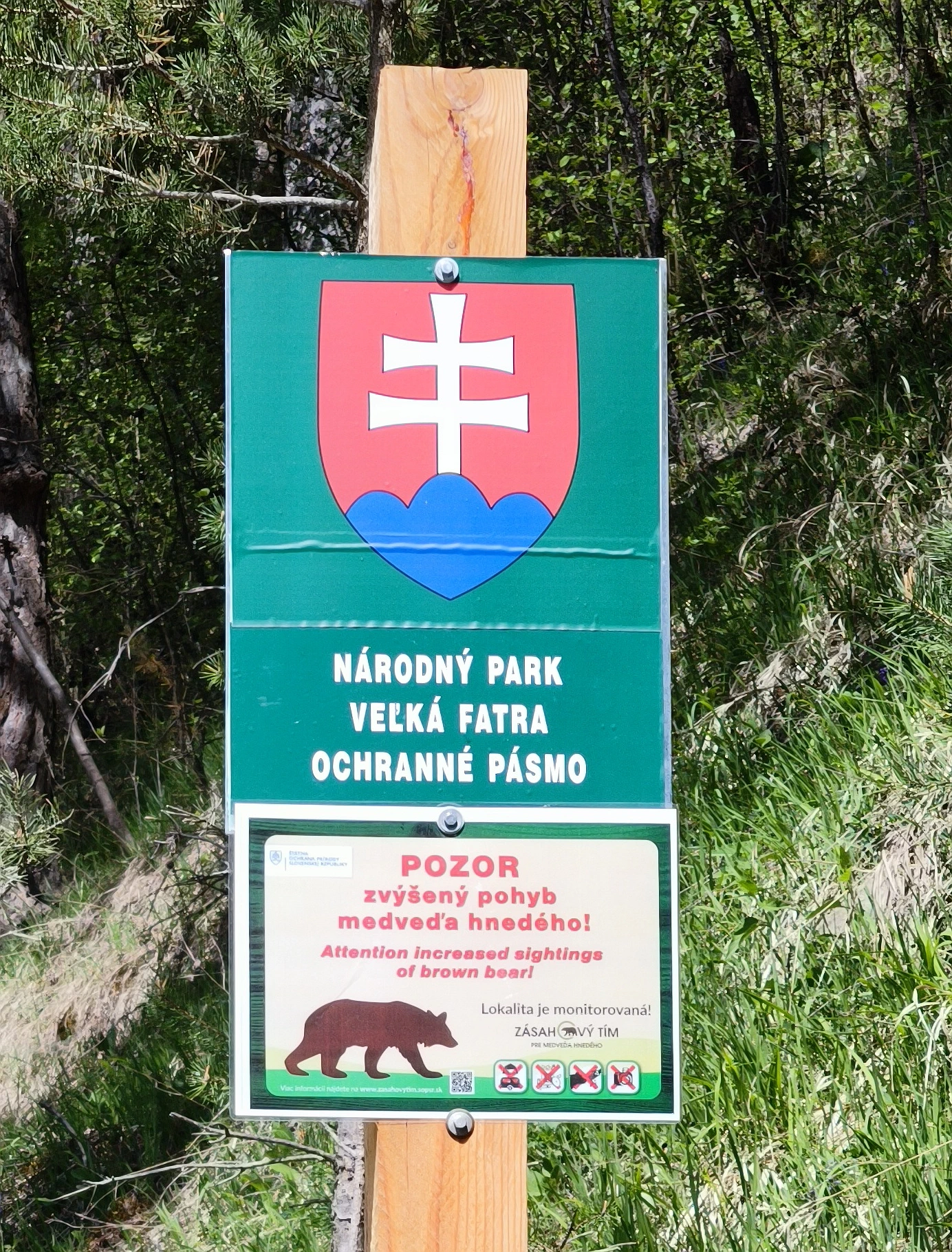
Access to Vlkolínec is most convenient via the Trlenská valley, which is followed by an asphalt road. Along the Revúca river, we turn off across the bridge at Koliba pod Vlkolíncom. The Trlenská valley will take us along the asphalt road all the way to the parking lot below Vlkolínec. Right at the entrance to the valley, we are greeted by a warning about increased caution due to the abundant occurrence of the brown bear. There is a parking lot for cars right at the reservation.
2. Directly from Ružomberok under Krkavá Rock
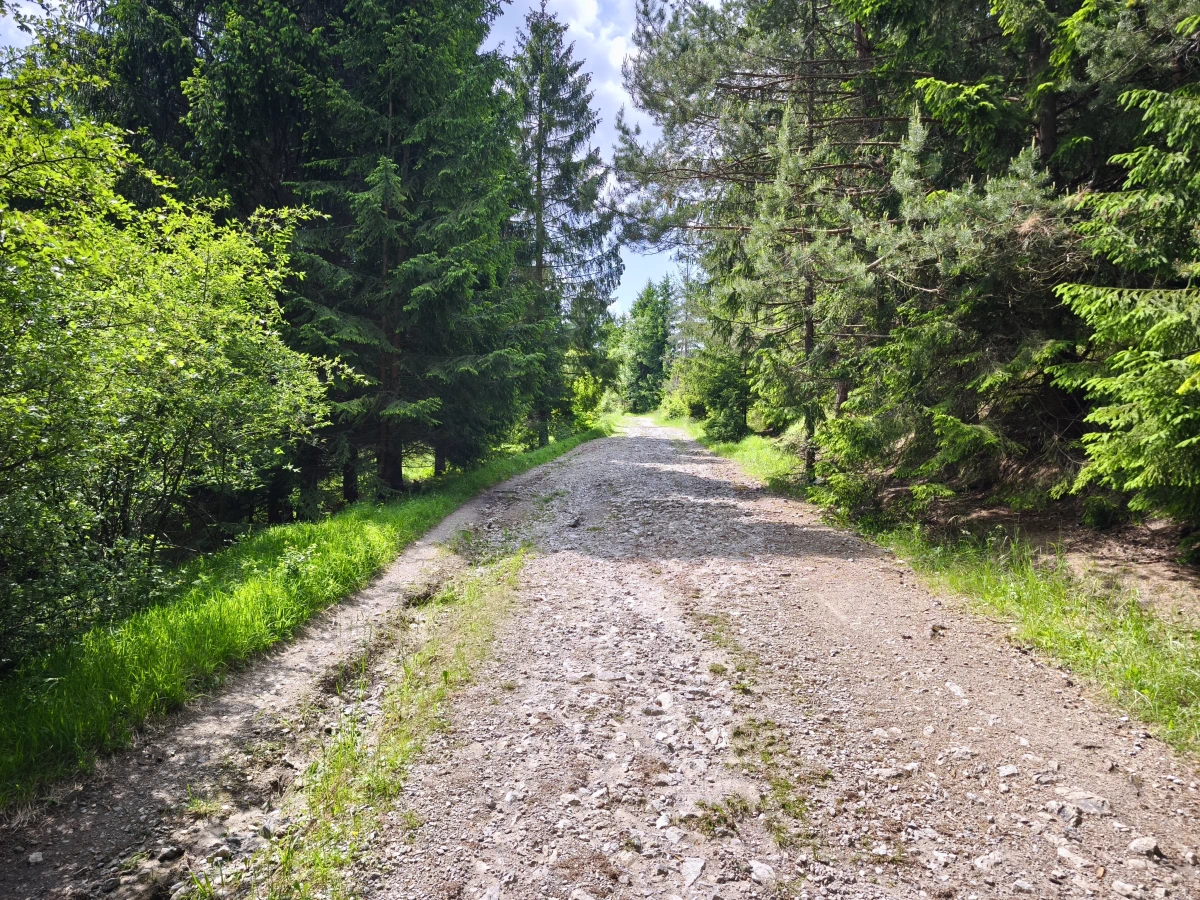
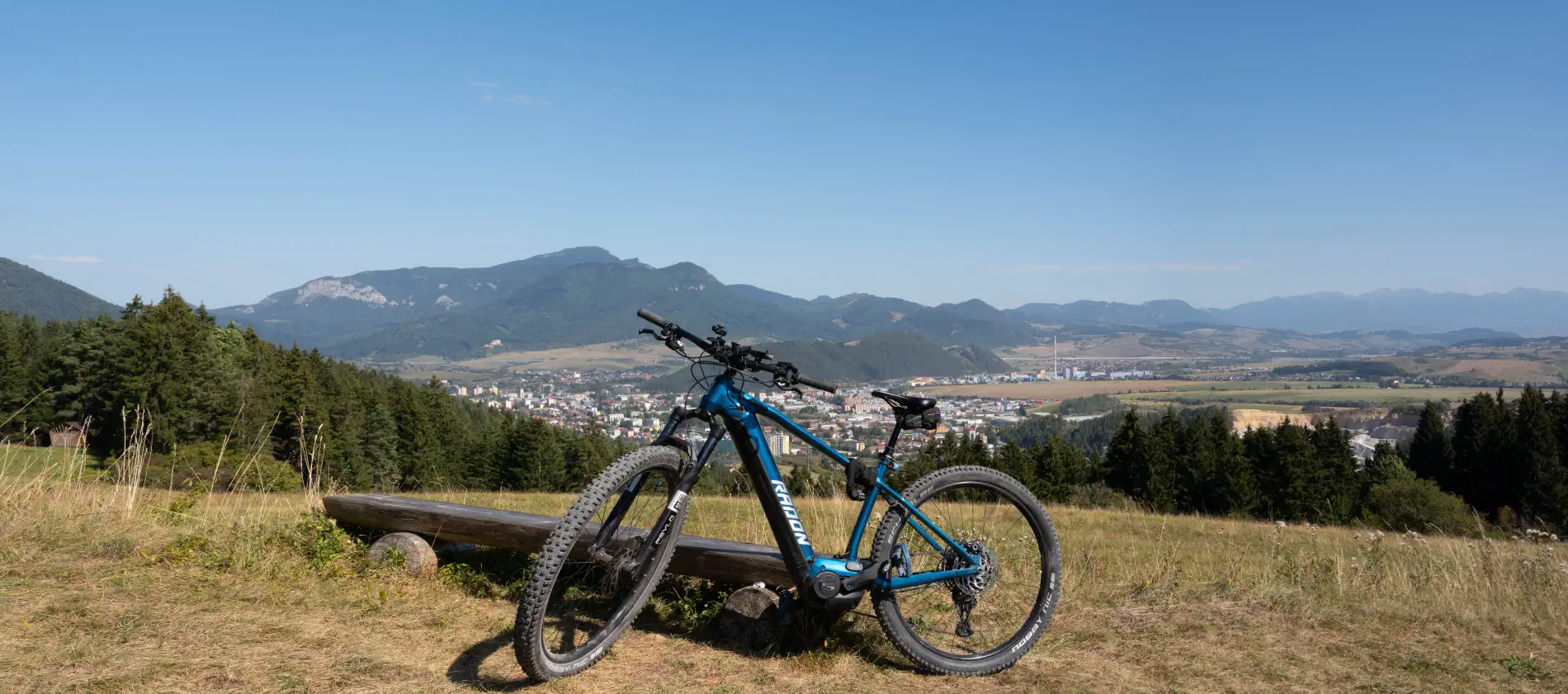
An alternative is access via a field path on foot or by bicycle directly from the edge of Ružomberok. On the way back, however, you need to be careful and maintain a safe speed – the path is full of gravel deposits. The route is not suitable for road bicycles.
3. Via the yellow trail from Hrabovo:
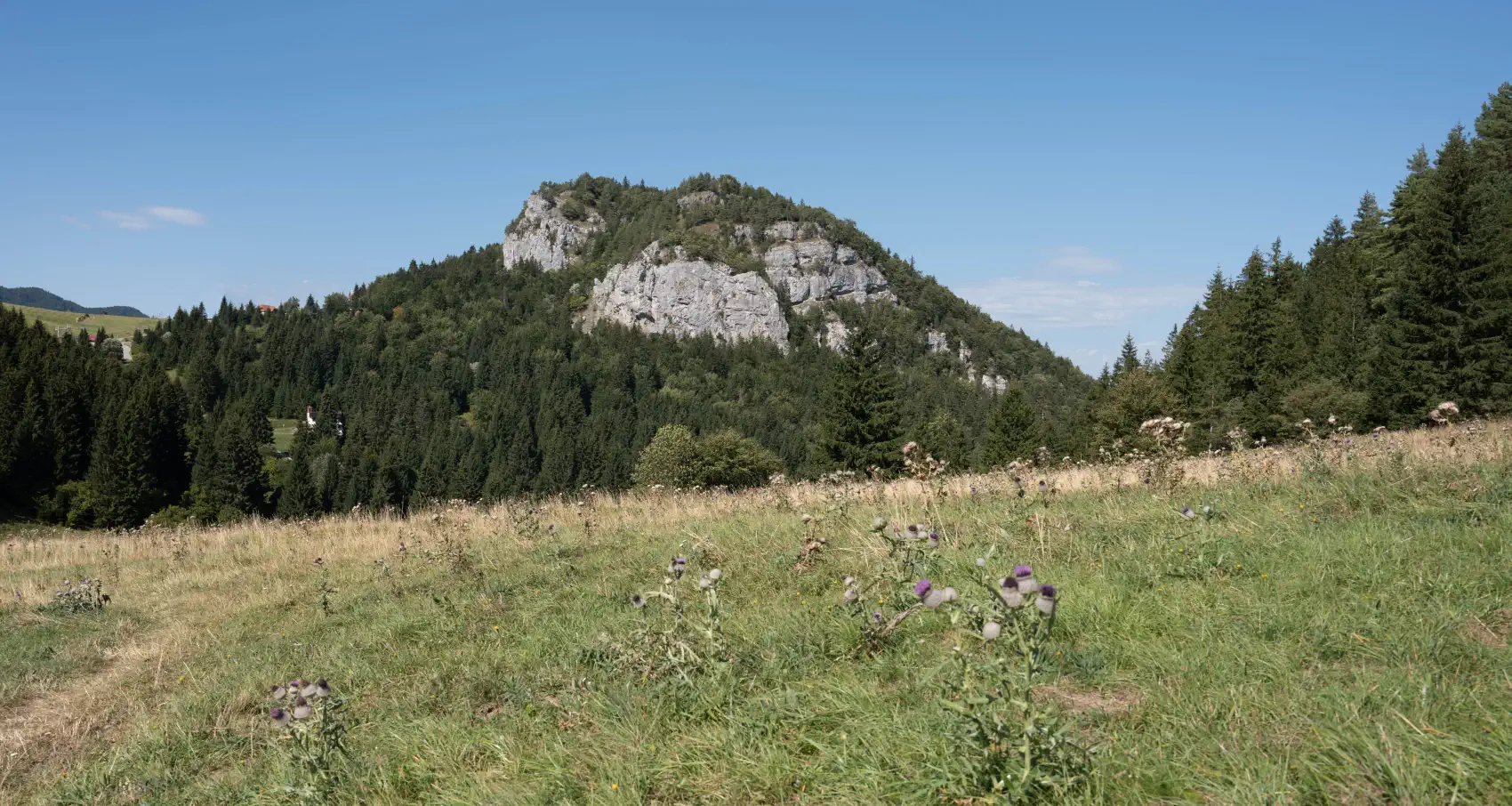
The route leads from Hrabovo (the lower station of the cable car to Malinô Brdo) along an access road that leads to Malinô Brdo. It takes us to Vlkolínske lúky, from where we descend to Vlkolínec. The route follows a yellow-marked hiking trail.
Points of interest
The first written mention of Vlkolínec dates back to 1461. Its uniqueness lies in the preserved folk architecture and traditional way of life that has lasted for centuries.
Unique folk architecture
A typical feature of Vlkolínec is the wooden log houses built from materials from the surrounding forests.
- Construction: The houses stand on high stone foundations that level out the sloping terrain. The walls of hewn logs are sealed with moss and coated with clay, which was regularly whitewashed. The roofs are covered with hand-split wooden shingles.
- Layout: Each house traditionally has three rooms – a room, an entrance hall, and a storage room.
- Room: It was the center of family life, where people slept, cooked, and did household chores.
- Entry hall: It served as an entrance and later also as a kitchen with an open hearth.
- Pantry: It was used for storing food, grain, and tools.
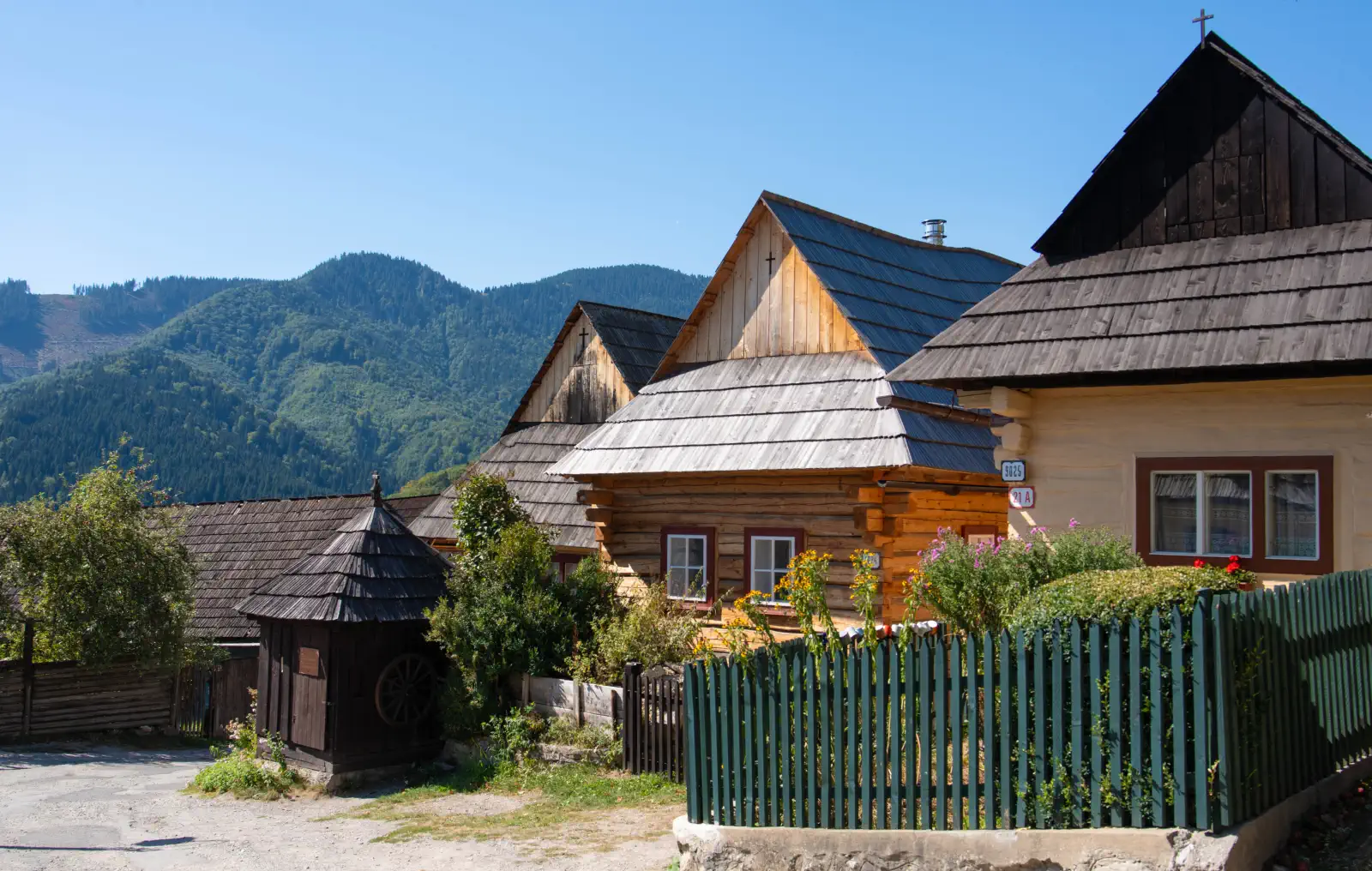
Architecture of the houses in Vlkolínec
Important buildings in the village
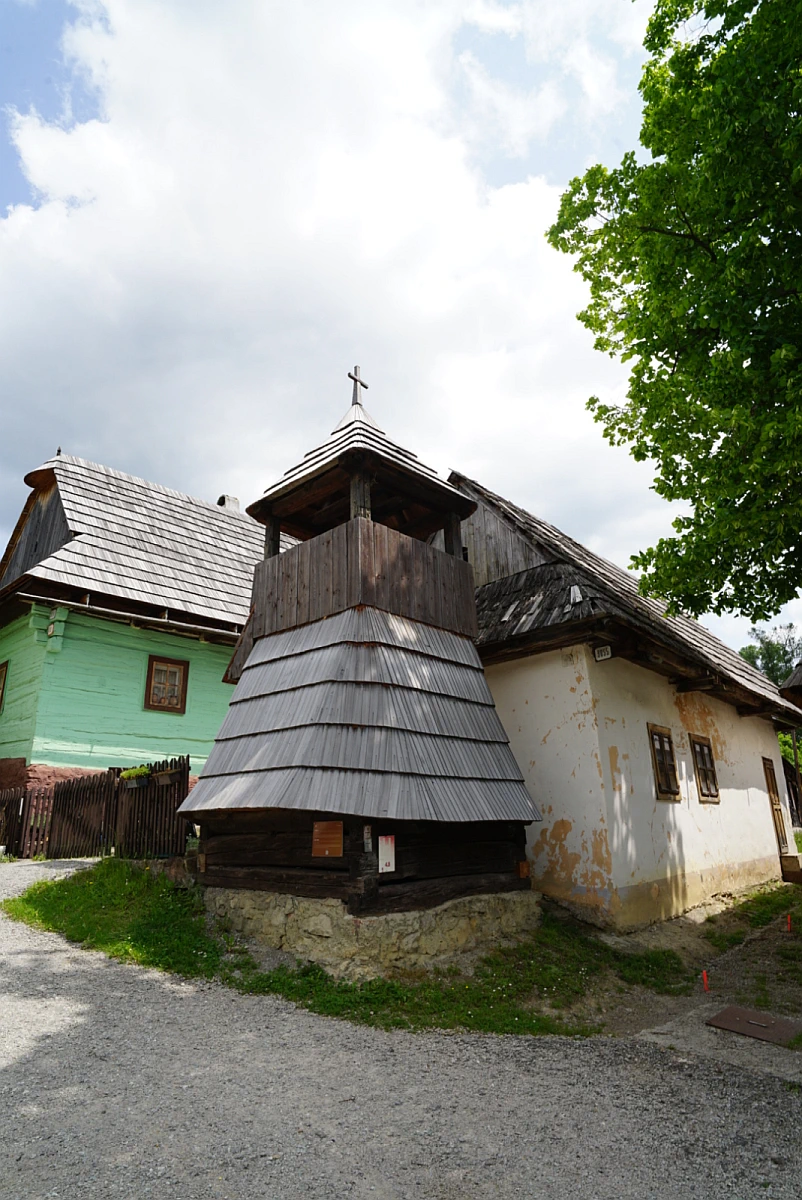
- Bell tower: The wooden log bell tower from 1770 was used to announce the time and also symbolically divided the village into "Lower and Upper villagers".
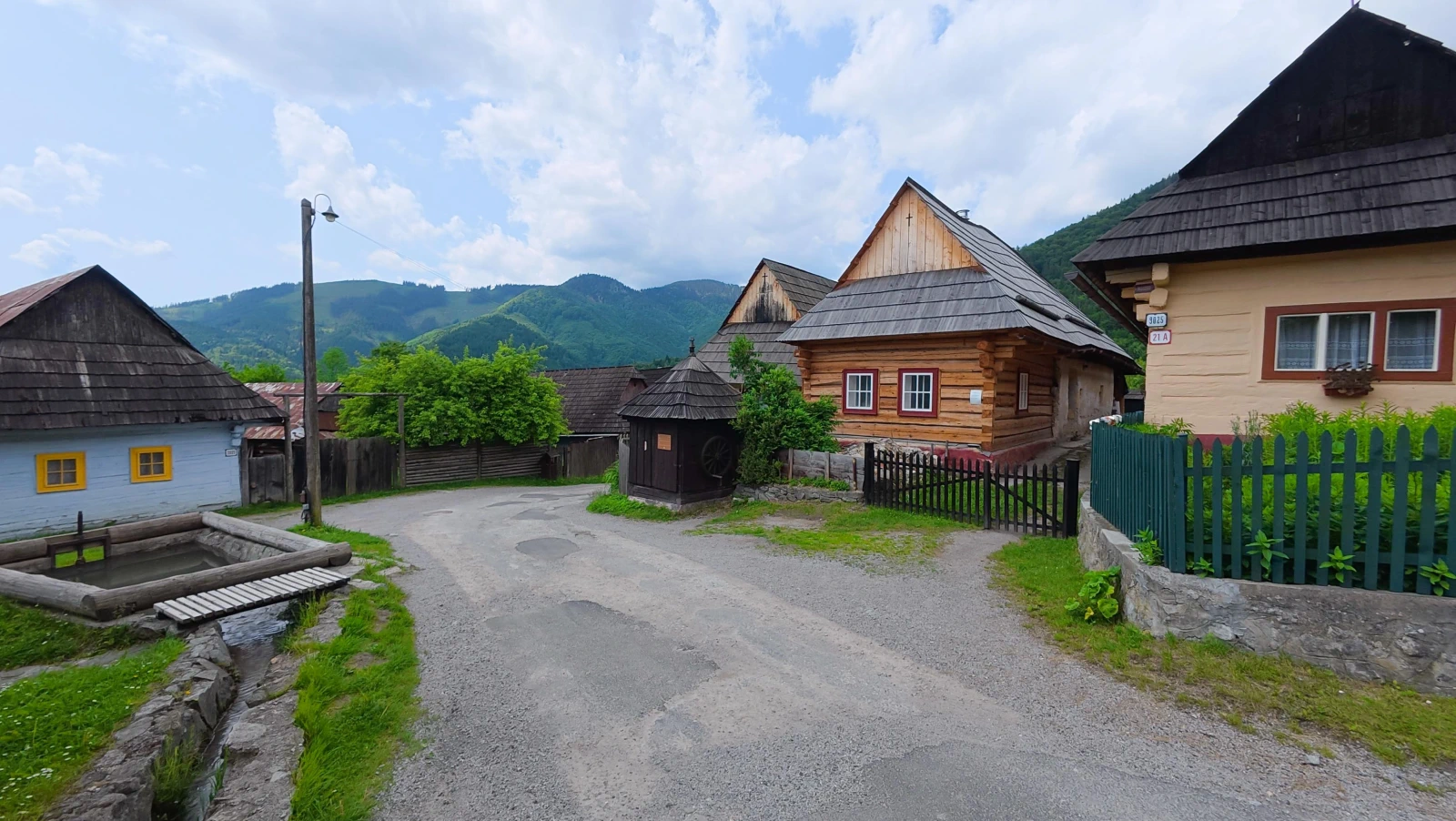
- Well: The log windlass well in the center of the village was once the only source of drinking water.
- Church of the Visitation of the Virgin Mary: Baroque-Classicist building from 1875, where traditional indulgences are still held today.
- Farm buildings: Behind the houses stand wooden barns (humná) and stables, which served for storing crops and raising livestock.
Life and traditions
- Agriculture: The basis of livelihood was the cultivation of potatoes, cabbage, barley, rye, and peas on terraced fields. Women were engaged in growing and processing flax and hemp for the production of linen.
- Sheep breeding: A large number of sheep were bred in the village, and cloth was made from their wool for sale.
- Woodworking: Vlkolín men were known as skilled lumberjacks, carpenters, and shingle makers. Woodcarving was also widespread, focusing on utility items such as ladles and spoons, but today it also includes artistic creation.
Animals in the surroundings
The river Revúca is known for its submontane character and abundant occurrence of salmonid fish. It also separates the Veľká Fatra and Nízke Tatry mountain ranges. In the surroundings of Vlkolínec, a large number of animals live. Occasionally, the king of the Fatra hills, the golden eagle, flies across the sky, as well as other birds of prey such as the common buzzard, kestrel or the eagle owl. The surrounding forests are home to large predators such as the bear, wolf and lynx. Rocky cavities provide shelter for numerous bats.


Location map:
Photo gallery:


There are no comments yet. Be the first!