
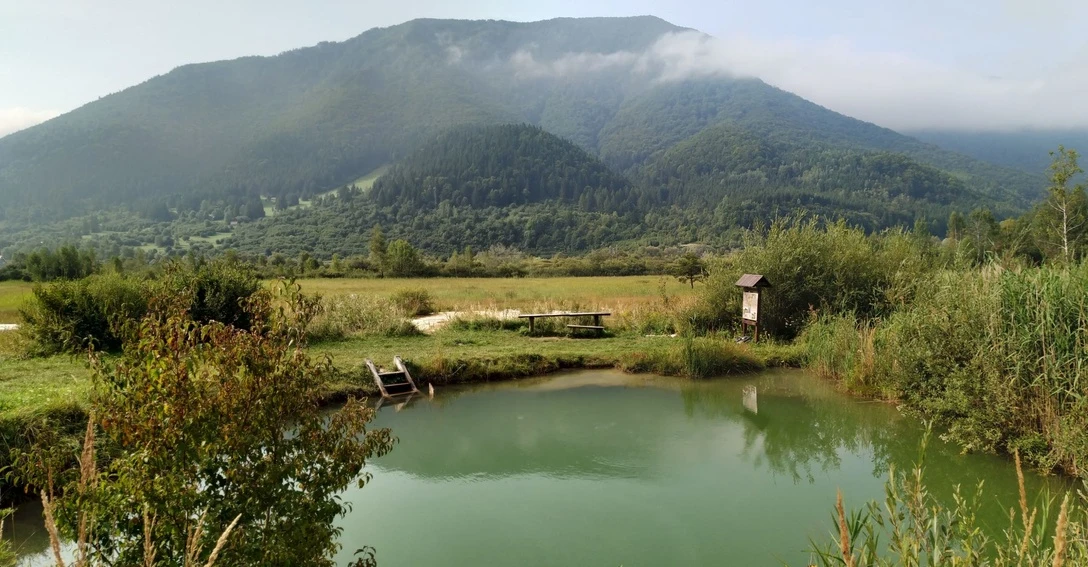
Unique travertine formations that form around springs of highly mineralized water. Its presence in the locality determines the occurrence of species and habitats of European and national importance. There is a 4th degree of protection applied here. Efforts to restore and build a swimming pool in the past caused degradation of the area. Currently, the surrounding area is adversely affected mainly by longer stays of bathers and pollution of the surroundings with waste.
The flora of the Močiar Nature Reserve is unique, dependent on the presence of mineralized water in the area. The Močiar Nature Reserve has become part of the pan-European system of protected areas NATURA 2000. It was precisely the springs of mineral waters that enabled the development and preservation of rare plant communities. Scientific research dates the age of the reserve to 12,000 years.
The site features a small pond with a diameter of approximately 10 m. The water is slightly turbid, faintly smelling of hydrogen sulfide, and a thin film forms on the surface. It is a sulfurous-carbonic mineral and thermal spring with beneficial effects for treating skin diseases and supporting the musculoskeletal and digestive systems (especially for stomach and intestinal ailments).
Video: Demonstration of a mineral spring borehole right by the pond
Sulphur borehole
The site features a mineral spring. The borehole is 67 m deep and captures water in the travertine bedrock at a depth of about 6 m, which it then brings to the surface. The spring water spreads out and forms small sedimentary pools.
Fauna in the surroundings of Stankovany
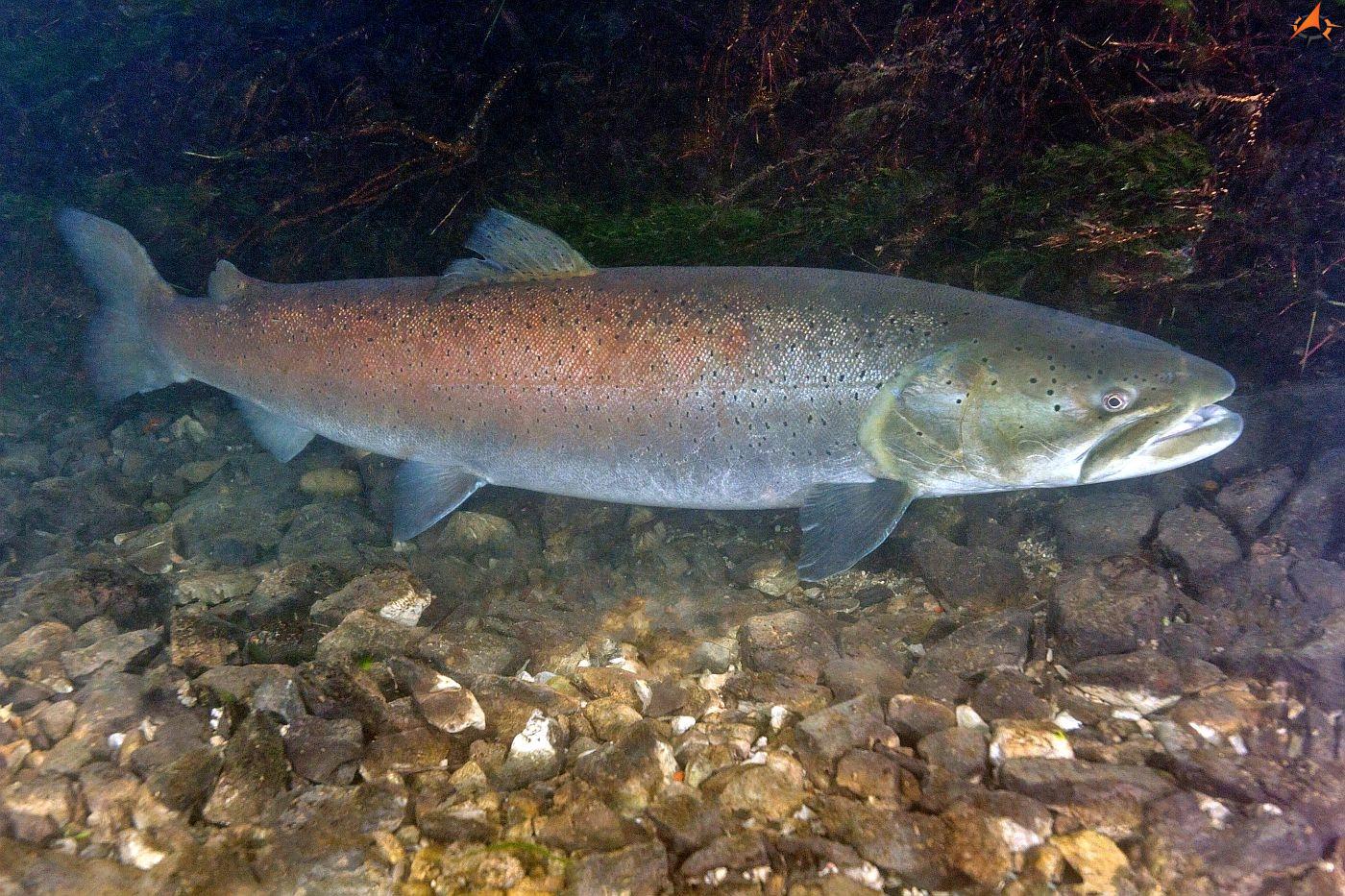
the common viper and the lizard. Among gallinaceous birds, there occur the capercaillie , black grouse, and hazel grouse. Among birds of prey, the northern goshawk , the common buzzard , and the peregrine falcon are widespread. In streams and rivers, many species of fish live, such as the brown trout , the grayling , bullheads, bleak, and Danube salmon . In connection with the improvement of water purity in the Váh, one can directly admire Danube salmon during spawning in Ružomberok. No other city in Central Europe can boast of that. Among small mammals, the dormouse and the red squirrel are abundantly represented, among carnivores the fox and the marten. For karst areas, a large number of bats is characteristic. Among larger predators, the lynx is widespread. In all surrounding mountain ranges, the brown bear still occurs. Recently, wolves have also returned to the lower Liptov region. Among even-toed ungulates, the wild boar and the Carpathian deer are abundant.”
Source: www.stankovany.sk
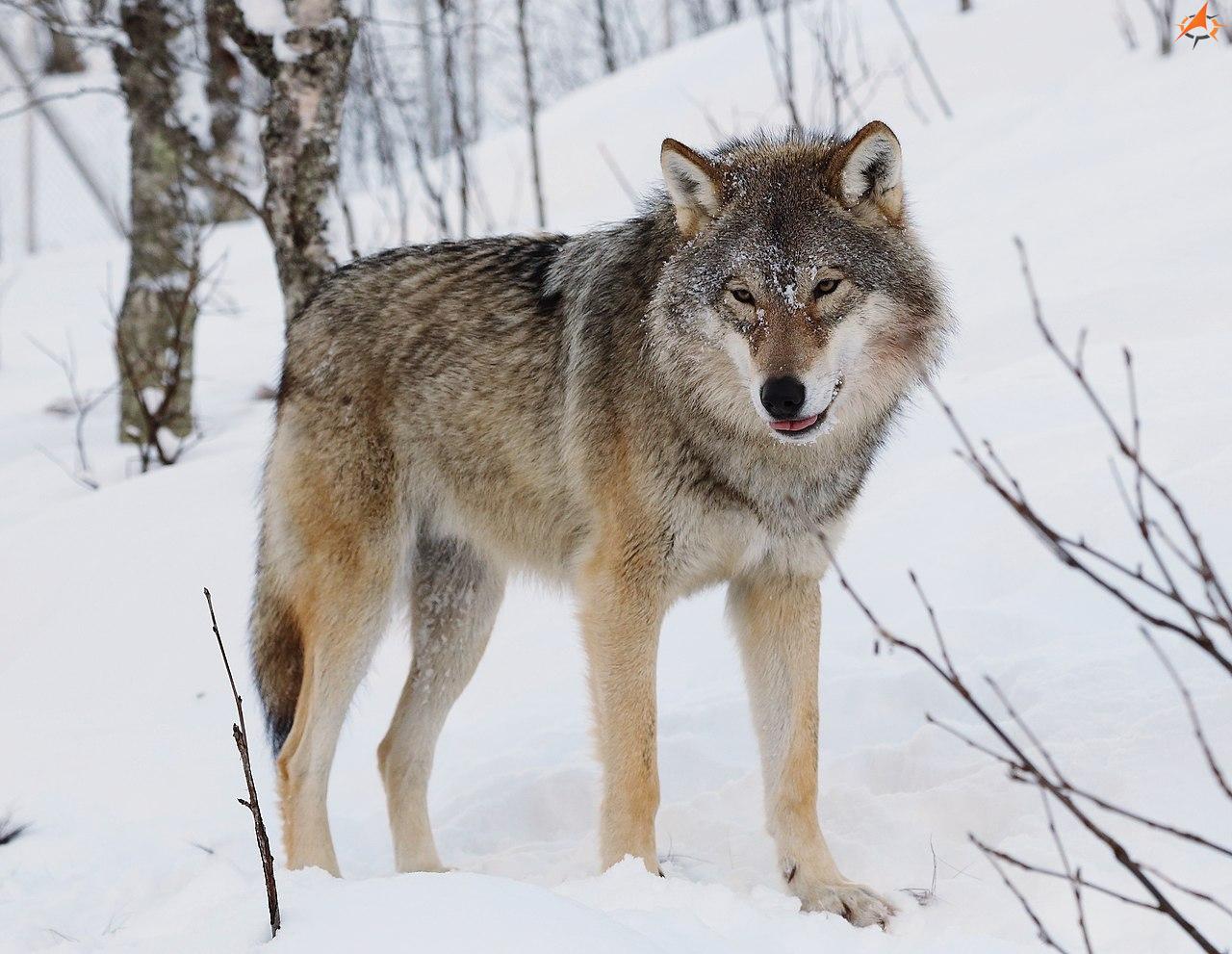

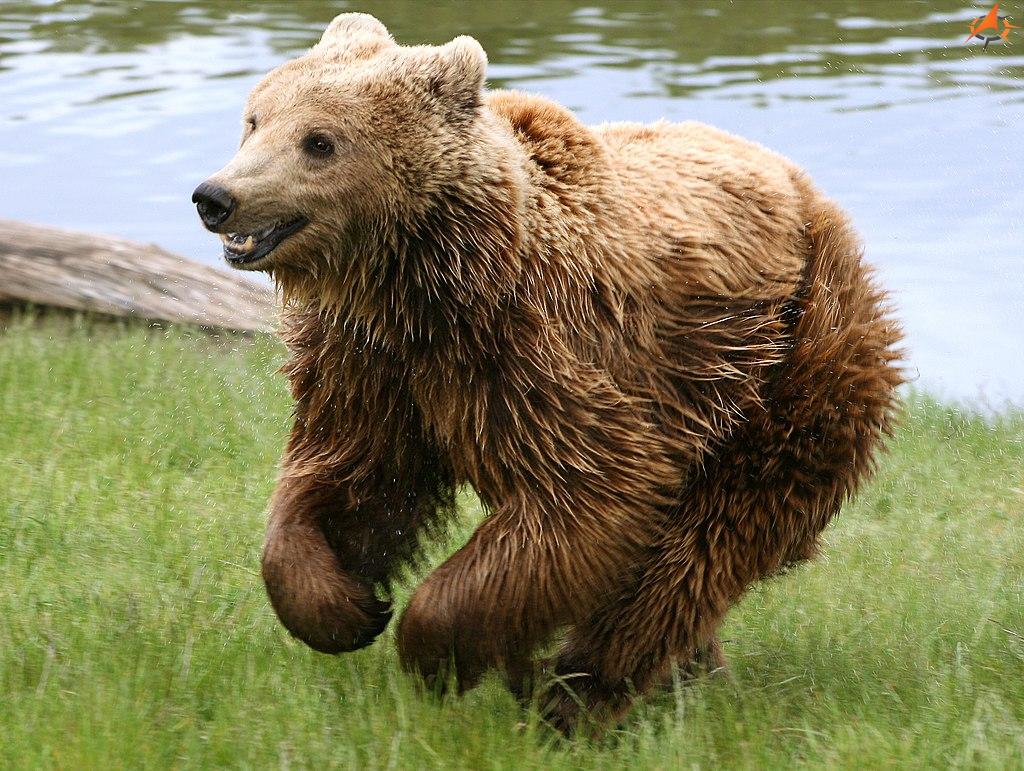
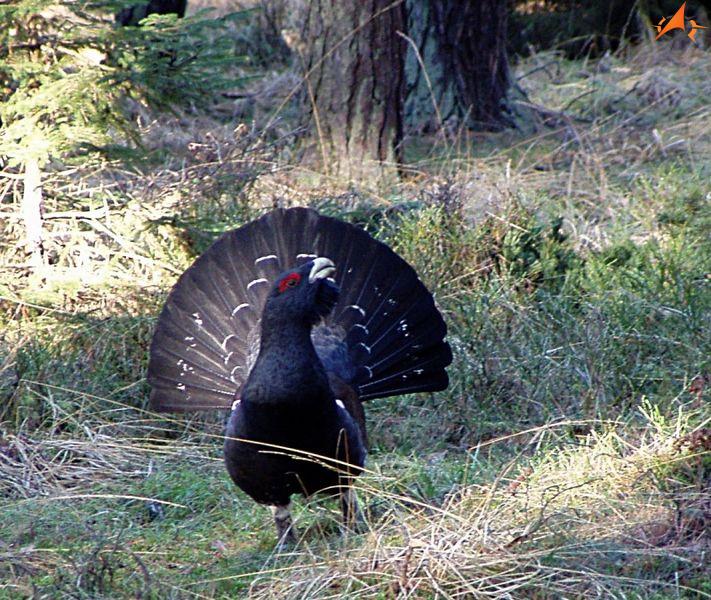
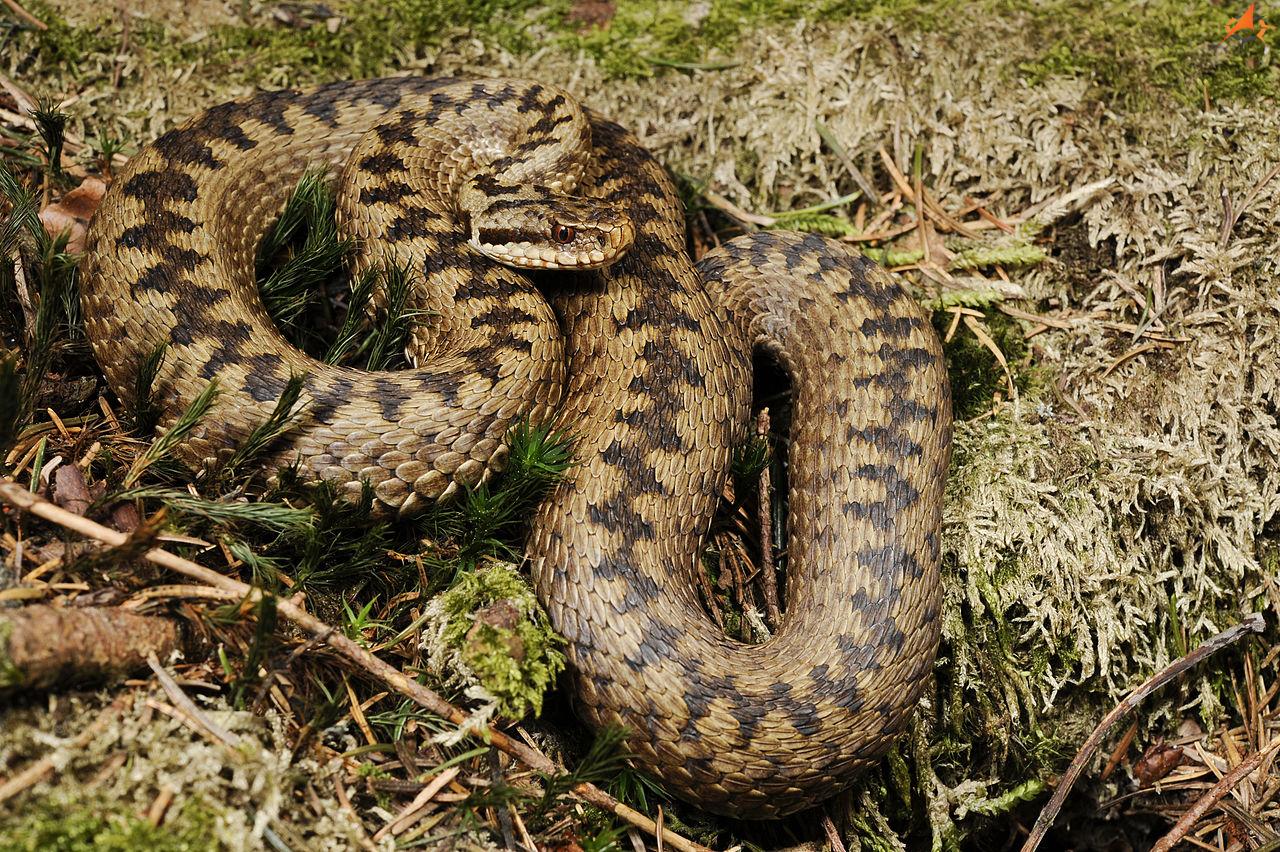
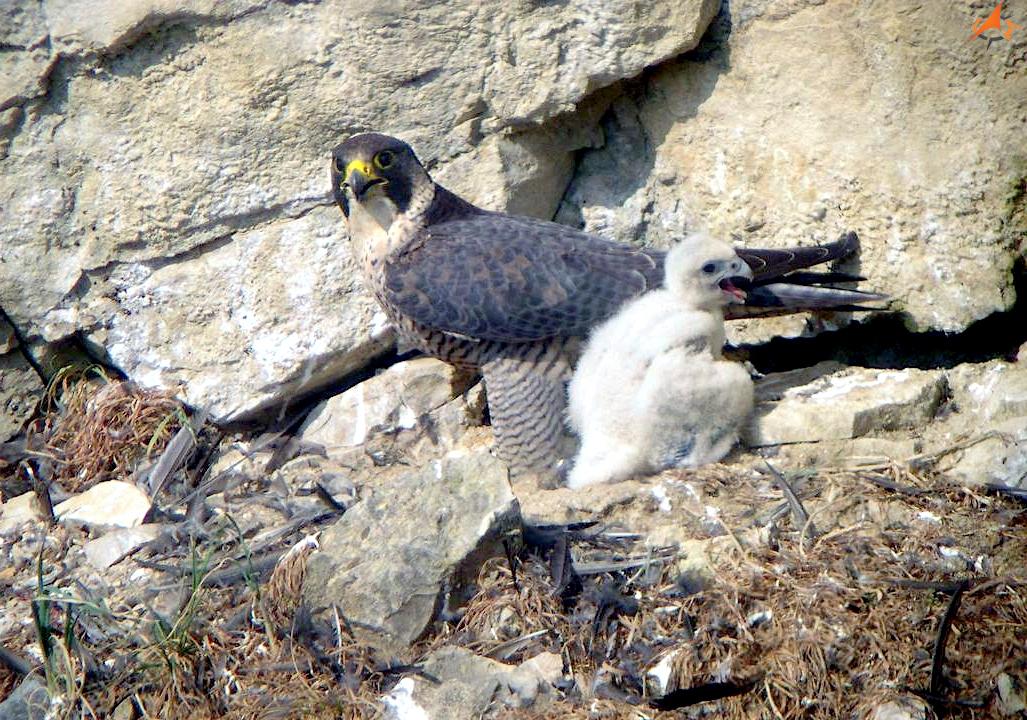
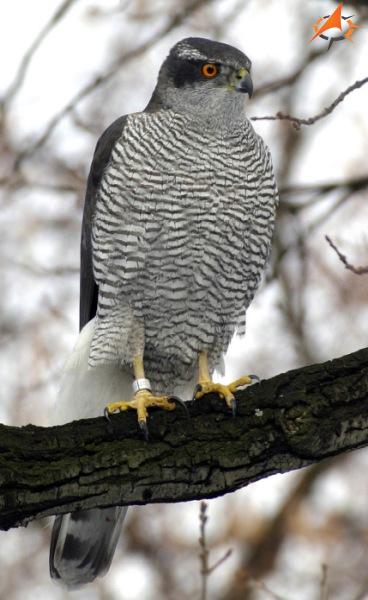
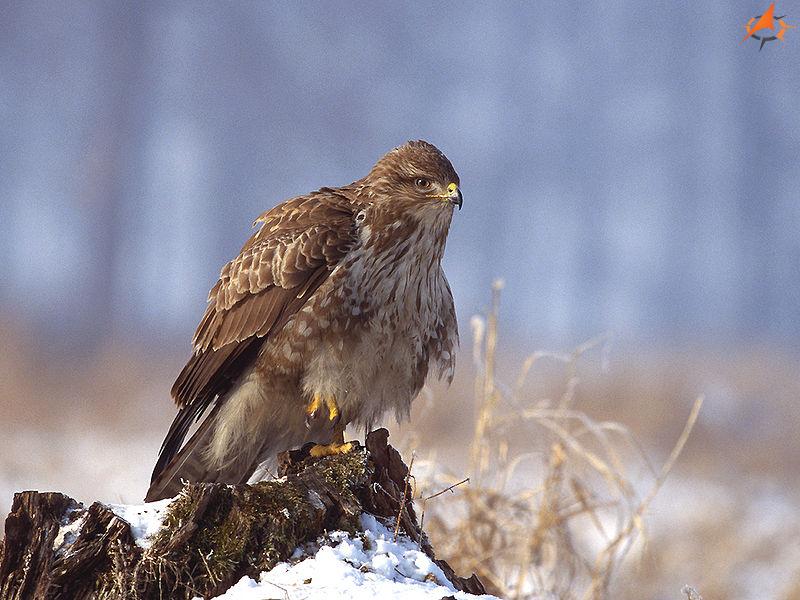
Although some of these animals can be dangerous to us when encountering humans (especially the brown bear, the adder) – with proper behavior and respect for their living space, we are not at great risk. Although due to constant interference in their natural environment, it sometimes happens that an encounter occurs. The biodiversity that these animals and plants create is necessary for life on Earth and, consequently, like communicating vessels, also for the happiness of us humans. Whether we move in an urban environment, where we spend most of our lives, or in nature, where we go for regeneration, everywhere we must also count on the need for a quick reaction to certain risks.
Flora of the Močiar Reserve surroundings
The vegetation of the Močiar Nature Reserve is unique, dependent on the presence of mineralized water in the area. This is evidenced by the findings of cyanobacteria and algae bound precisely to such an environment. Given the reserve's age of 12,000 years, the sawtooth greenbrier also occurs here, surviving since the Pleistocene era (the period after the end of the ice ages). The amount of calcium and magnesium in the water has created conditions on the wet travertines and their surroundings similar to those on the sea coast. The occurrence of our orchids is also significant, such as the early marsh orchid, the fen orchid, and the dense-flowered orchid.
Notable species include: marsh helleborine, carnivorous common butterwort, bird's-eye primrose – all mentioned species are legally protected and endangered. It is therefore important to behave carefully and not damage these protected plants by walking off the trails.
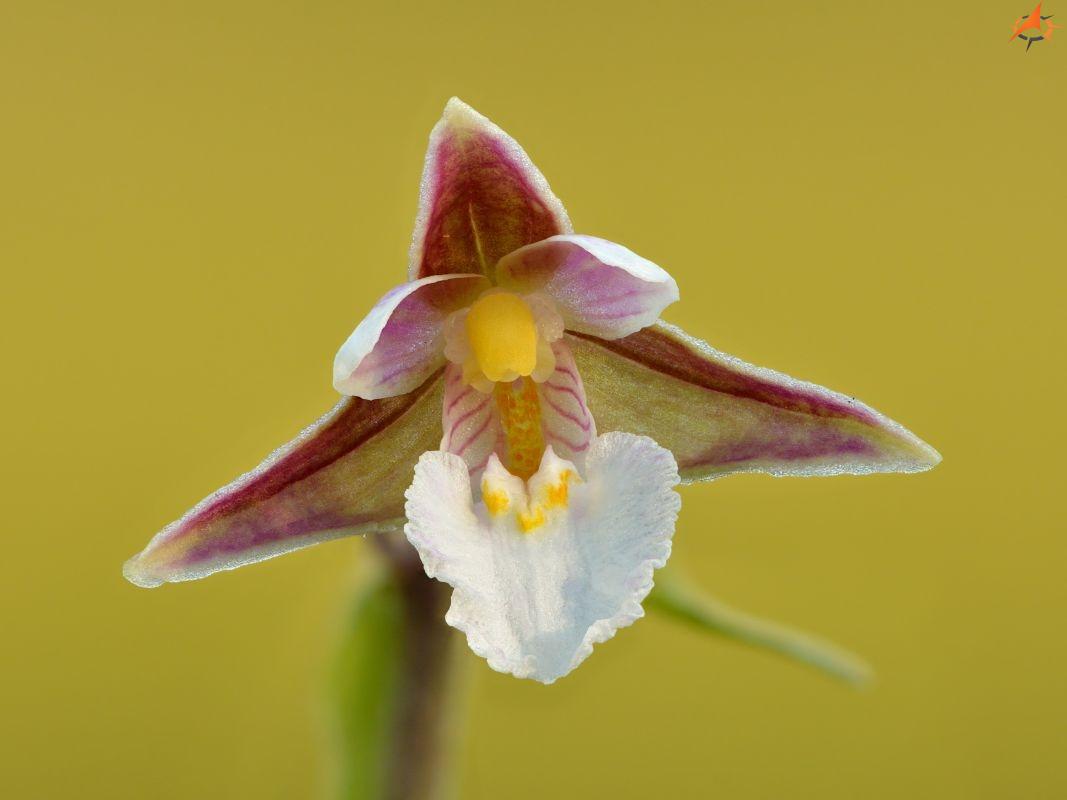

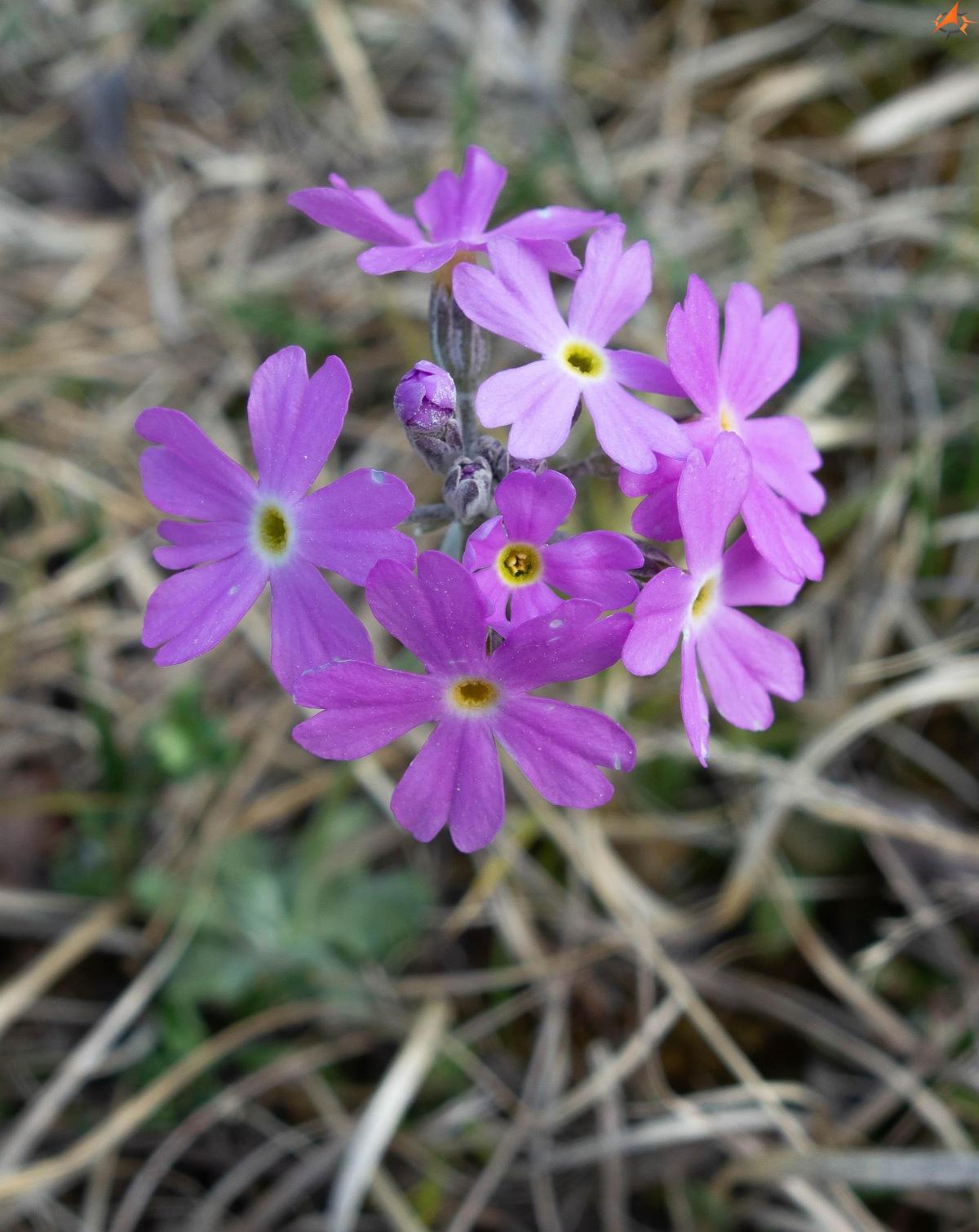
Photo - Marsh Helleborine (Epipactis palustris): Ivar Leidus
Photo - Common Butterwort (Pinguicula vulgaris): Bernd Haynold | License: CC BY-SA 3.0
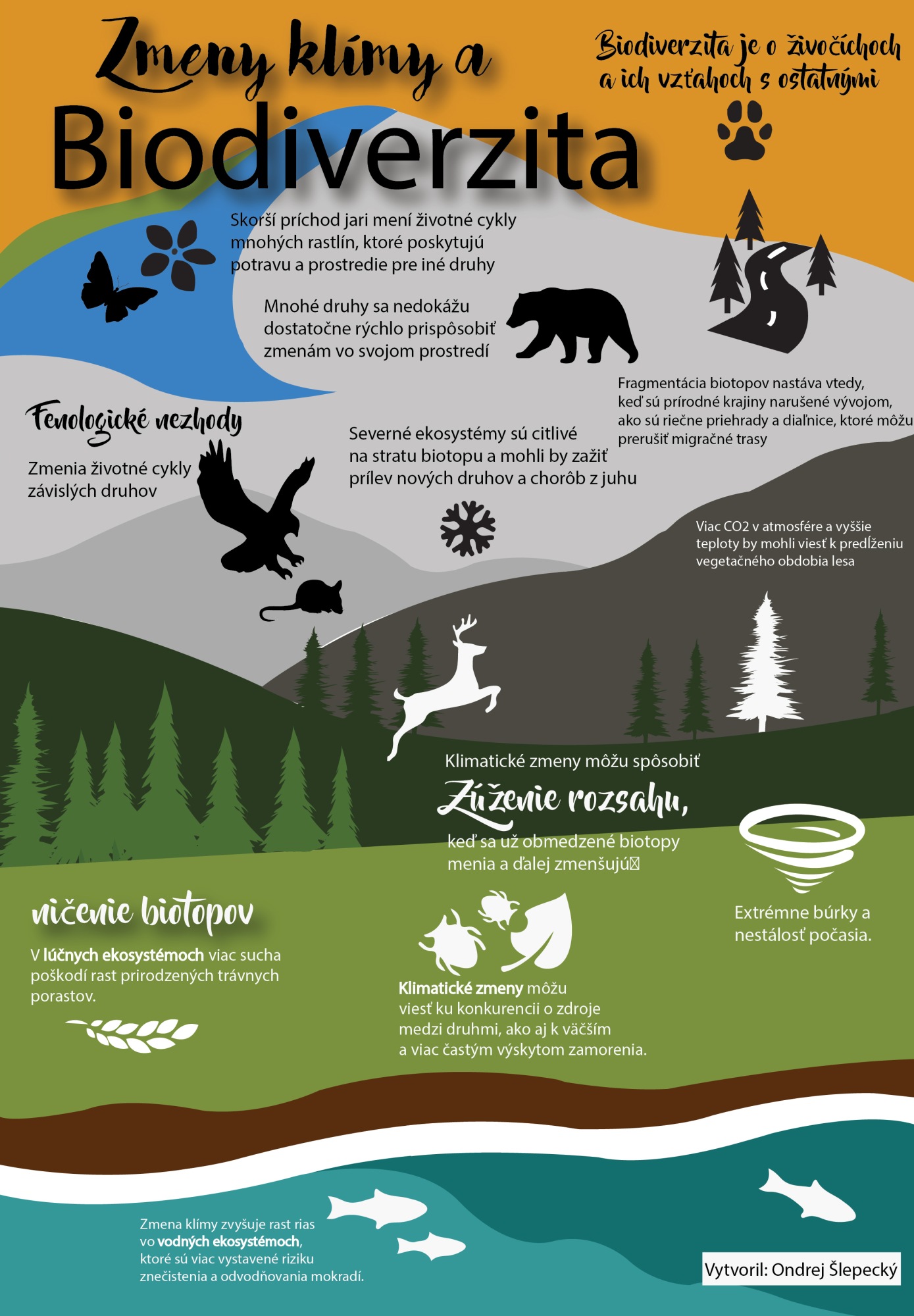
Climate change and biodiversity
Given that the area is classified under the 4th degree of protection, the use of drones is not permitted. They may, for example, endanger nesting birds and disturb animals in the vicinity.
Photo gallery:


There are no comments yet. Be the first!