

Museum of the Liptov Village differs significantly from other open-air museums mainly in the form of its layout and the composition of its buildings. It is an image of a medieval settlement with the privileges and rights of small towns. In addition to wooden residential and farm buildings, representing typical features of the folk architecture of peasant and craftsman classes, there are also two rare medieval stone structures. All the buildings together create a unique composition of the historical and cultural environment of ancient Liptov. The Gothic-Renaissance manor house from Parížovce is the oldest preserved gentry residence in Liptov from the 14th–16th century and is associated with King Matthias Corvinus and his son John Corvinus, the Prince of Liptov.
An attractive exhibition is the Early Gothic Church of the Virgin Mary from the village of Liptovská Mara with fragments of original wall paintings from the 14th and 15th centuries. Part of the preserved bell tower and the original perimeter foundations are located on the shore of Liptovská Mara. In the upper part of the museum grounds there is a static exhibition of the historic Považská Forest Railway. In connection with the construction of the Liptovská Mara water works, several significant immovable monuments were transferred from the flooded area to the Museum of the Liptov Village in Pribylina.
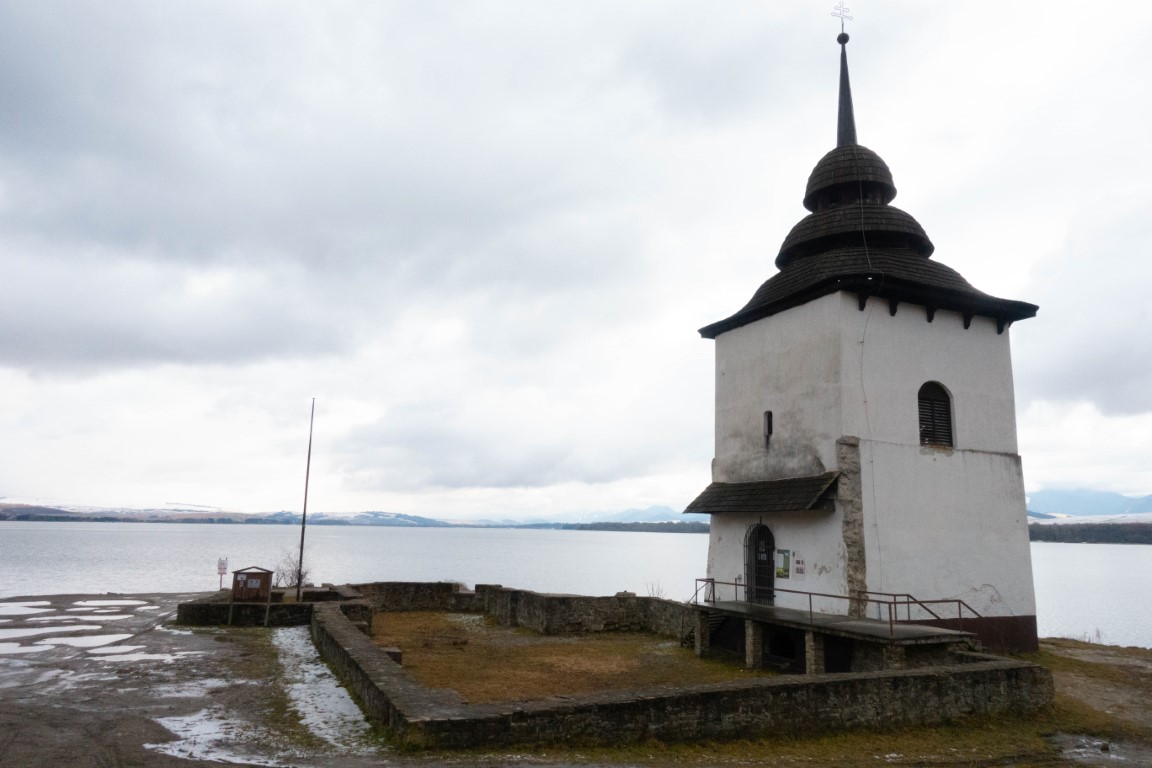
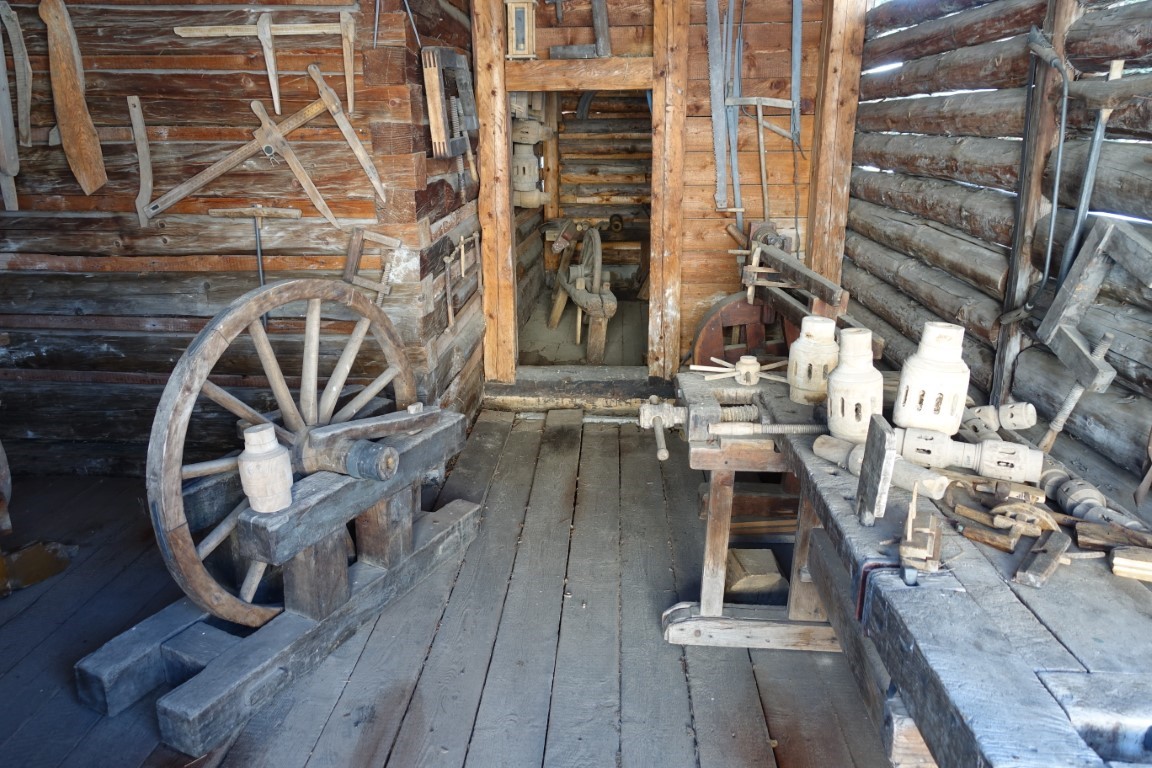
The villages of the flood zone belonged not only among the oldest in Liptov, but also in Slovakia. According to archaeologists, the area was settled as early as the 9th century, and the village of Liptovská Mara probably originated then. The Roman Catholic Gothic church from the second half of the 13th century also comes from there. For example, the house of the progressive craftsman family of Ján Lovich comes from the village of Liptovská Sielnica. In the past, Liptovská Sielnica was an important village of central Liptov with town privileges, such as its own judiciary, exemption from toll payments, the right to hunt game and fell timber. Several personalities lived there whose work influenced the culture of the Slovak nation. They were the Štúr poet Samuel Bohdan Hroboň, the collector of proverbs and sayings Adolf Peter Záturecký, and the patriotic printer and publisher Karol Salva. The house has an entrance hall, a room, a kitchen with an open hearth for food preparation, and two chambers. One is the bedroom of the unmarried daughter, the other serves as storage space. The dwelling bears certain signs of luxury, characteristic of the craftsman class of Liptov towns in the first third of the 20th century. Next to the house is a wheelwright's workshop.
Access and transport
1. By car (Most practical)
The open-air museum is located approximately 2 km behind the village of Pribylina, towards Podbanské.
- Route from the west/east (D1): On the D1 motorway use Liptovský Hrádok exit (No. 284). Then continue along road No. 537 towards Pribylina and the High Tatras.
- Parking: Directly in front of the entrance to the open-air museum there is a large paid parking lot. The ticket office is just a few meters away on level ground.
2. By Bus
- Destination stop: Look for connections to the stop Pribylina, skanzen.
- Connections: Most buses run from Liptovský Hrádok (the train station is right next to the bus station). There are also connections from Liptovský Mikuláš.
- The bus stop is right at the main entrance to the museum grounds.
3. By train
- There is no direct train connection to Pribylina.
- You must travel by express or passenger train to the station Liptovský Mikuláš or Liptovský Hrádok, and there transfer to the above-mentioned bus.
4. By bicycle
- The open-air museum lies directly on the so-called Tatra Magistrale (road no. 537), which is popular among cyclists traveling from Liptov to the High Tatras (towards Podbanské and Štrbské Pleso). The road is asphalted, with a slight incline.
What you should know before your visit:
- Historical railway: The open-air museum also includes an exhibition of the Považská Forest Railway. In season, you can ride a historic train on a short section within the area (from the depot to the manor house).
- Animals: The area breeds original animal breeds (sheep, horses), which is a great attraction for children.
- Opening hours: The open-air museum is open all year round, but opening hours vary by season (in winter it tends to close earlier, usually around 15:30 or 16:00).
- Terrain: The area is extensive and the paths are gravel or grassy. We recommend comfortable footwear. Unlike many castles, this open-air museum is largely barrier-free and suitable for strollers.
Tip for you: If you have time, during the main season the open-air museum often hosts themed Sundays (e.g., Beekeeping Sunday, Shepherding Sunday), where you can see demonstrations of traditional crafts and taste Liptov specialties.
Website: www.skanzenpribylina.sk


There are no comments yet. Be the first!