
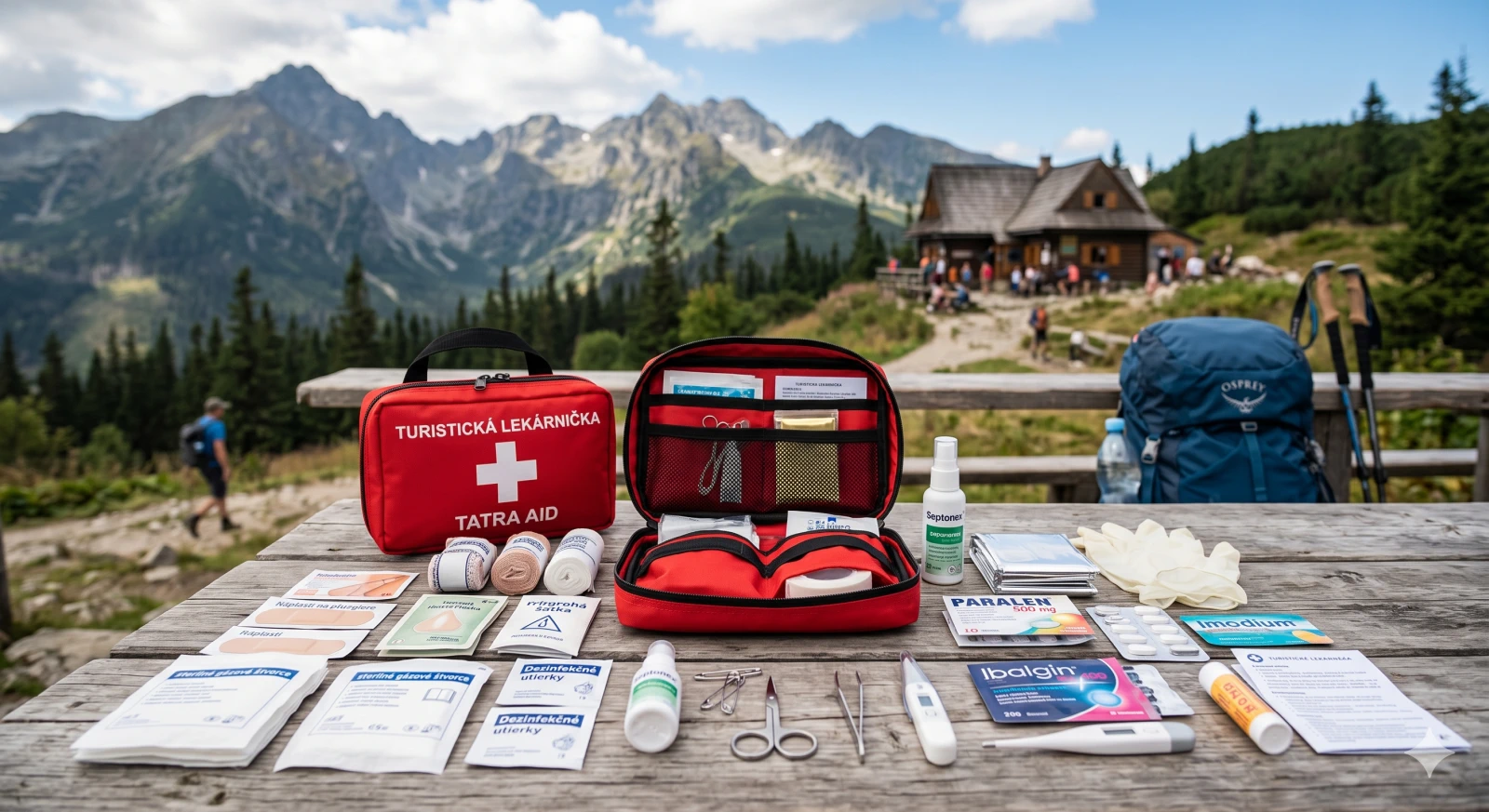
The contents of a hiking first aid kit should be a compromise between weight and the ability to treat the most common injuries and sudden health complications.
1. Treatment of wounds, abrasions, and blisters
This is an absolute must. In the mountains, you can easily get scratched by rocks or get blisters from your boots.
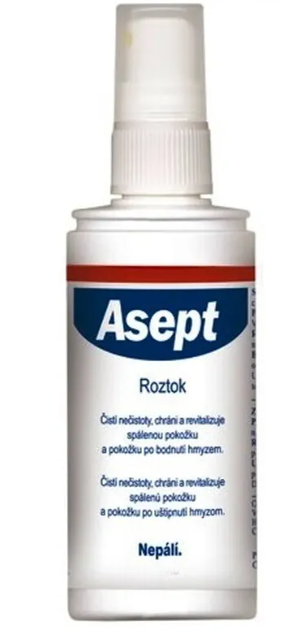
Disinfection: Spray (e.g., Dettol) is more practical than wipes.
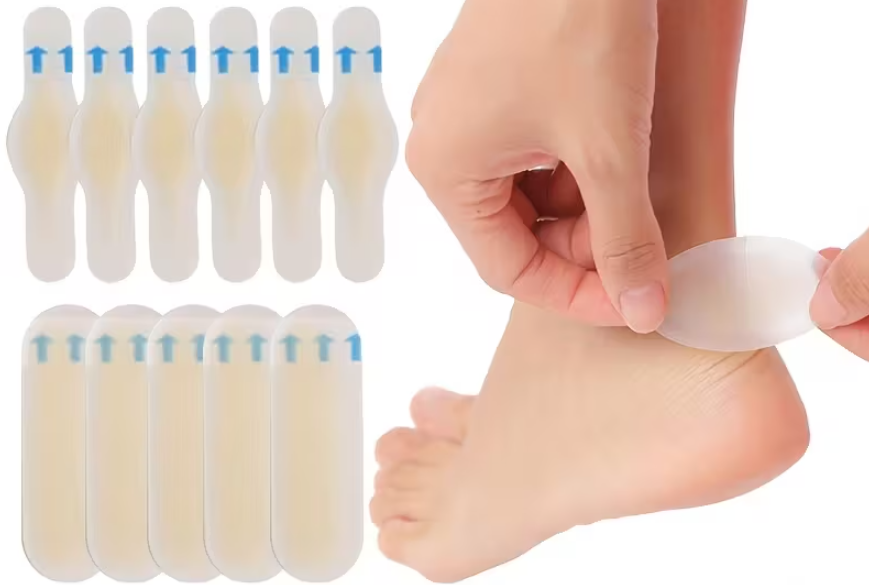
Blister plasters: Hydrocolloid plasters (e.g., Compeed) act as a "second skin" and can save your hike.
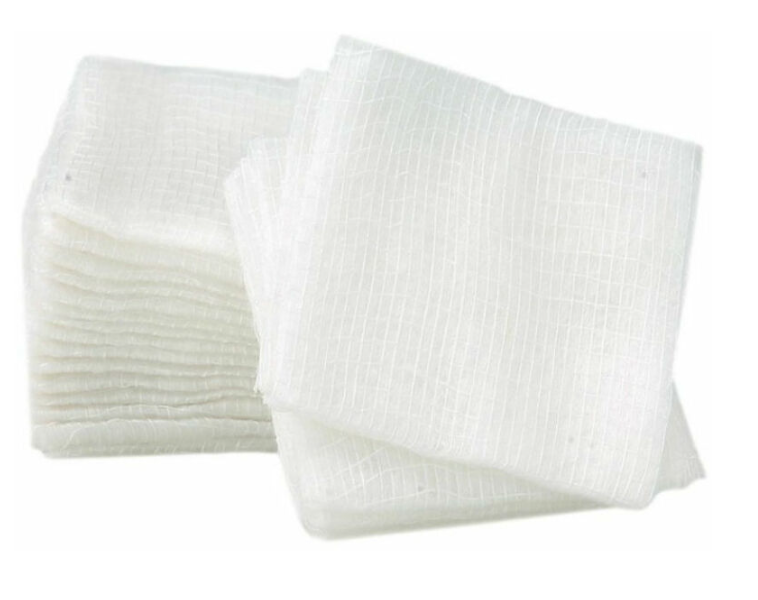
Sterile gauze squares: For covering larger and more open wounds.
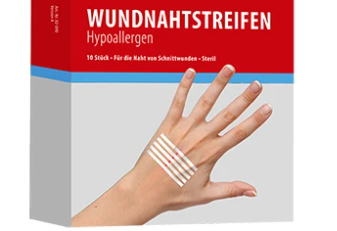
Steri-strips: Adhesive strips for quickly closing deeper cuts.
- Classic plasters: Various sizes, ideally waterproof and elastic, plus a roll of plaster for fixation.
2. Fixation and support (Sprains and fractures)
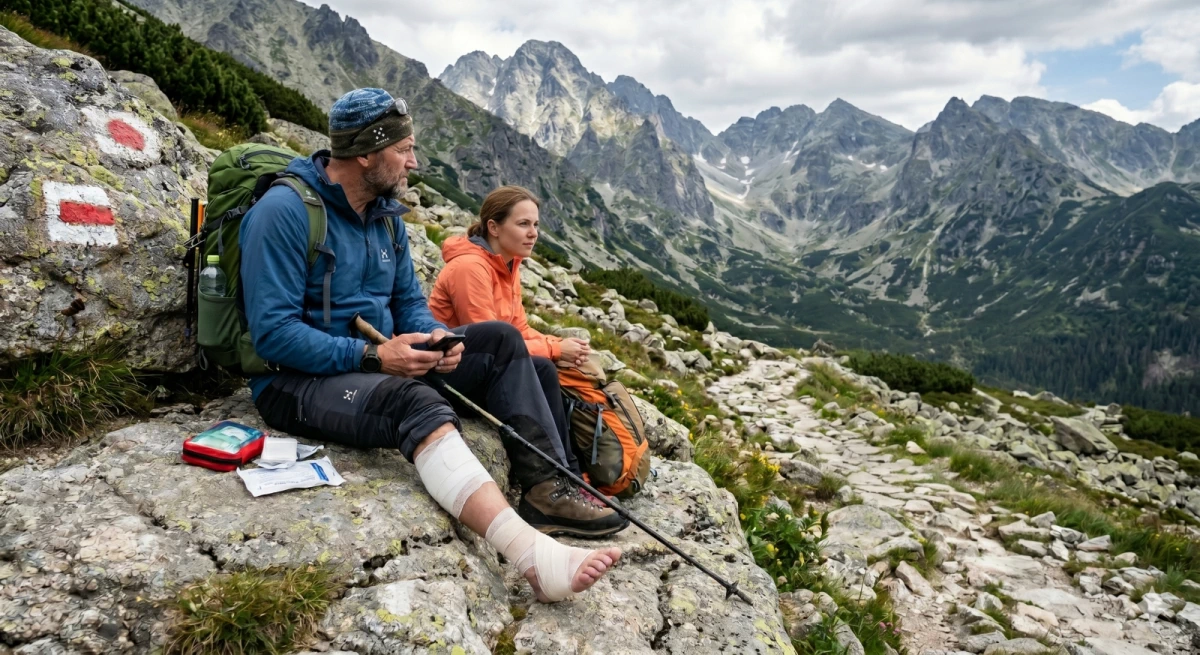
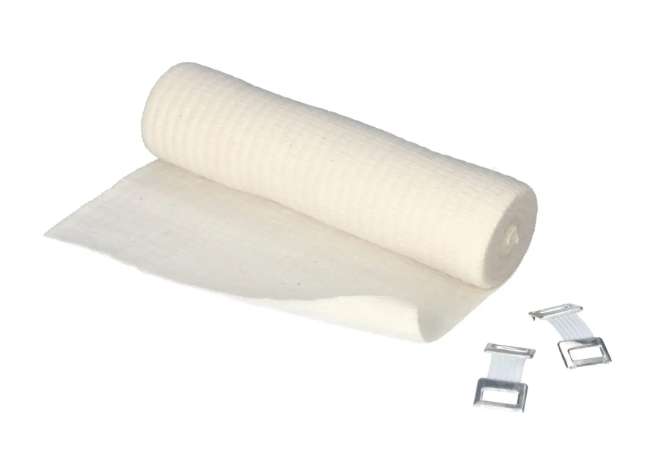
Elastic bandage: At least one wider one to support a sprained ankle or knee.
Ready-made bandage (No. 2 or 3): Sterile bandage with a pad for quick treatment of bleeding.

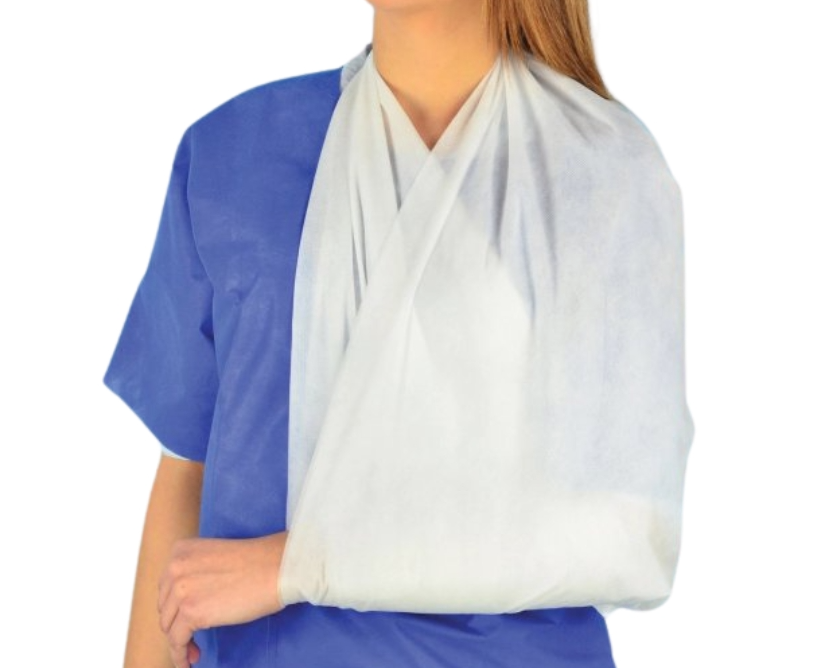
Triangular bandage: Versatile aid for immobilizing an arm or fixing a splint.
3. Basic medications (Over-the-counter)
- For pain and inflammation: Ibuprofen (Ibalgin) for inflammation, Paracetamol (Paralen) for fever. A few tablets in a blister pack are enough.
- Anti-diarrheal: Loperamide (Imodium) or activated charcoal.
- Antihistamines: For allergic reactions (tablets) and gel for insect bites (Fenistil).
- Eye drops: To rinse out dust, pollen, or insects from the eye.
4. Tools and accessories
- Isothermal foil: Absolutely essential! Prevents hypothermia of the injured person while waiting for help.
- Scissors and tweezers: Small stainless steel scissors with blunt tips and metal tweezers for splinters or ticks.
- Safety pins: For quick fixing of a scarf or torn clothing.
- Disposable gloves: At least 1–2 pairs (nitrile) for hygienic protection when treating another person.
Important principles to conclude
- Water resistance: Store everything in a waterproof container (e.g., a sturdy zip-lock bag). A damp bandage and spoiled medications are useless in the field.
- Regular check: Before each season, check the expiration dates of medications and replenish used plasters.
- Knowledge: A first aid kit is only as good as your first aid knowledge. Review the basics of treatment before your hike.
- Personalization: Don't forget your specific medications that you regularly take (blood pressure, diabetes, asthma spray, epipen).
There are no comments yet. Be the first!