

Prevention and movement in the forest
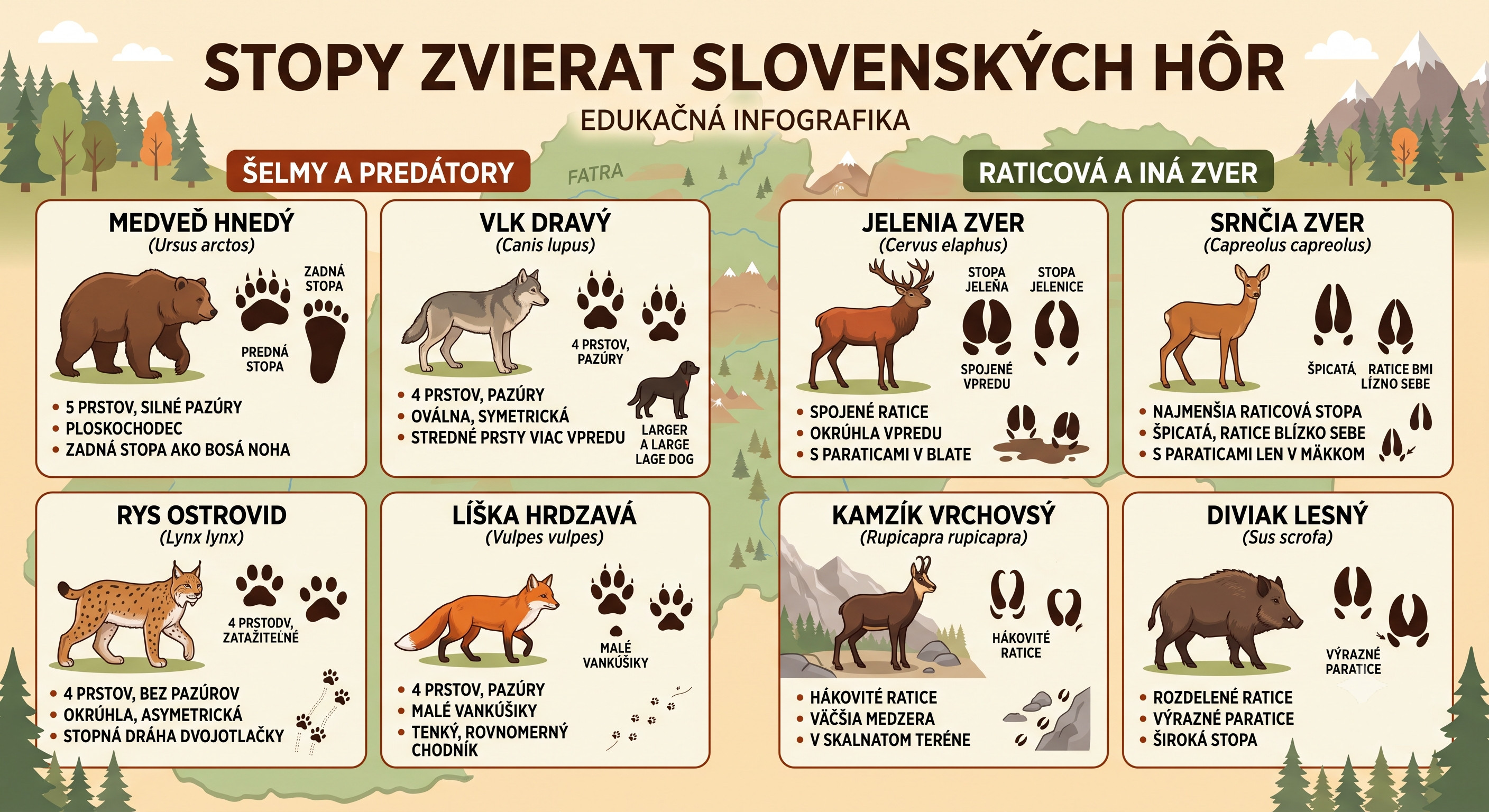
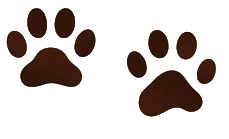
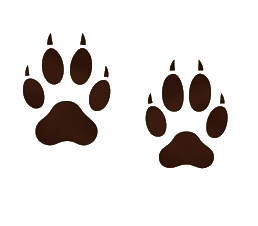
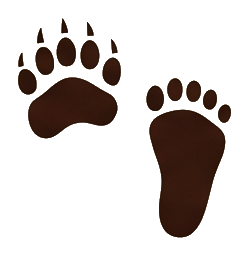
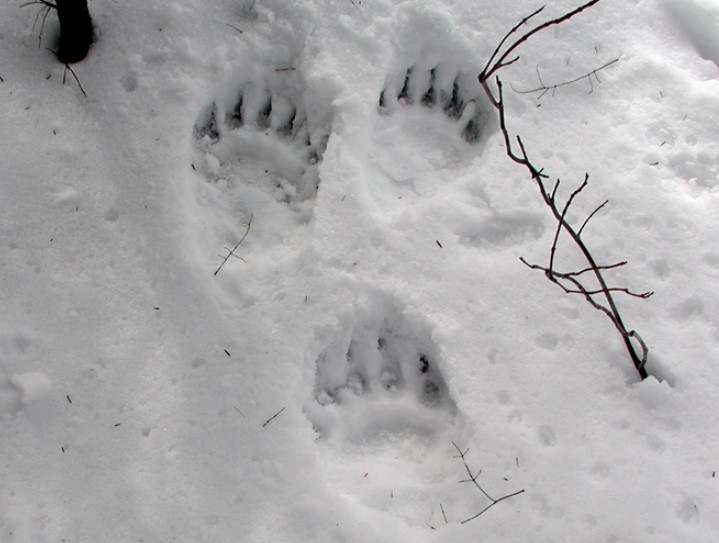
Increased vigilance will help especially in the morning, evening, and at night, when bears are more active, as well as during the day in dense vegetation. It is useful to know how to recognize signs of bear presence, such as tracks it leaves behind.
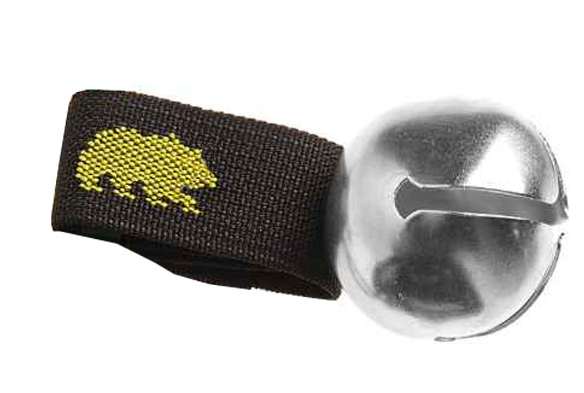
When moving in the forest, be predictable. If visibility is limited, talking, whistling, or breaking a branch underfoot helps to alert the bear to your presence in advance. In dense terrain, carrying a bell or a whistle can help (with the exception of so-called "garbage bears" accustomed to people). The bear has excellent hearing and smell – if it knows about you before you meet, it will avoid you 99% of the time.
To increase safety, you can get bear defense spray containing capsaicin. When choosing, the decisive factors are the spray distance (the highest quality sprays can reach a target up to 10 meters), the content, and the spray duration. If the situation forces you to use the spray, pay attention to the direction of the wind so that the substance does not get into your eyes and mouth.
Two types of attacks
It can happen that you surprise a bear – for example, if the wind is not blowing from you towards it and it doesn't manage to register you in time. The closer you are to the bear and the later it notices you, the higher the probability of defensive behavior. A bear acting in self-defense considers you a threat to itself or its cubs. Sometimes it only makes a warning lunge to drive the person away. Most often, such a lunge ends before physical contact occurs.
1. How to behave when the bear hasn't noticed us yet
- Stay calm and carefully assess the situation.
- If the bear is not aware of you, calmly and quietly return the way you came. Keep observing its behavior continuously.
- Try to give it enough space and a clear escape route.
- In this situation, do not make any sounds, do not talk, and do not shout.
- Never approach the bear.
2. If the bear has spotted you but is not approaching
- Stay calm and do not run away – sudden movement may provoke it to chase you.
- If it stands on its hind legs, it is trying to recognize you better by smell and sight. Let it know you are human – speak to it in a calm, deeper voice and slowly wave your arms (avoid sudden movements above your head).
- Try to slowly back away and gradually increase the distance between you.
- If the bear is aware of you and shows no interest, take advantage of the situation and slowly leave.
3. If the bear approaches you
- Stay standing still. Actual attacks occur only rarely.
- If you are in a group, stay close together – the group appears optically larger and more dangerous.
- Do not run unless you are absolutely sure that a safe shelter is literally within reach. A bear can reach speeds of up to 50 km/h and can easily outrun even a professional sprinter.
- Climbing a tree can only help if you manage to get at least 4 meters above the ground. However, remember that young bears are very good at climbing trees.

4. If a bear attacks in self-defense
- Most attacks are warning attacks – the bear wants to intimidate you and often stops or turns away just before physical contact.
- Play dead: If direct contact occurs during a defensive attack, immediately lie down on your stomach.
- Protect your vital organs: Interlock your hands firmly behind your neck and cover your face and head with your elbows. The backpack on your back will serve as an excellent protector for your spine.
- Spread your legs: This makes it harder for the bear to flip you onto your back with its paw. If it succeeds, immediately roll back onto your stomach.
- Stay still: The bear will usually leave once it realizes you are not a threat. Do not get up as soon as the attack stops – it may still be nearby. Wait several minutes in complete silence until you are sure it has gone.
Educational interactive game
Match the images with the correct meaning
Questions


Answers
Sources and further information: www.medvede.sk
There are no comments yet. Be the first!